" width="14px"><path d="M 13.864 5.629 L 13.3 5.629 L 13.3 5.6 L 7 5.6 L 7 8.4 L 10.956 8.4 C 10.379 10.03 8.828 11.2 7 11.2 C 4.681 11.2 2.8 9.319 2.8 7 C 2.8 4.681 4.681 2.8 7 2.8 C 8.071 2.8 9.045 3.204 9.786 3.864 L 11.766 1.884 C 10.516 0.719 8.844 0 7 0 C 3.134 0 0 3.134 0 7 C 0 10.866 3.134 14 7 14 C 10.866 14 14 10.866 14 7 C 14 6.531 13.952 6.073 13.864 5.629 Z" fill="rgb(255, 193, 7)" height="14px" id="H_YjfTNpn" width="14px"/><path d="M 0 3.742 L 2.3 5.429 C 2.922 3.888 4.429 2.8 6.193 2.8 C 7.264 2.8 8.238 3.204 8.979 3.864 L 10.959 1.884 C 9.709 0.719 8.037 0 6.193 0 C 3.504 0 1.172 1.518 0 3.742 Z" fill="rgb(255, 61, 0)" height="5.428500000000002px" id="PlkthQDhg" transform="translate(0.875 0)" width="10.959199999999996px"/><path d="M 6.232 5.581 C 8.04 5.581 9.683 4.889 10.925 3.764 L 8.758 1.931 C 8.032 2.483 7.144 2.782 6.232 2.781 C 4.411 2.781 2.865 1.62 2.283 0 L 0 1.759 C 1.159 4.026 3.511 5.581 6.232 5.581 Z" fill="rgb(76, 175, 80)" height="5.581099999999999px" id="WlnJ5gngE" transform="translate(0.7 8.4)" width="10.924899999999994px"/><path d="M 6.864 0.029 L 6.3 0.029 L 6.3 0 L 0 0 L 0 2.8 L 3.956 2.8 C 3.68 3.576 3.183 4.254 2.526 4.75 L 2.527 4.749 L 4.693 6.582 C 4.54 6.722 7 4.9 7 1.4 C 7 0.931 6.952 0.473 6.864 0.029 Z" fill="rgb(25, 118, 210)" height="6.589883930775992px" id="x_rSW275p" transform="translate(7 5.6)" width="7px"/></g></svg>)


Reviewed by:
Matas Kibildis

Head of Growth @ AIclicks
Last updated:
Expert Verified

Medium is no longer just a place to publish an article.
It’s an amazing platform where writers create stories, share ideas, and build an audience across the internet. Today, Medium articles are not only read by humans.
They are also used by AI systems to generate responses. Navigating this landscape requires a strategic approach, as these AI services are constantly evolving how they crawl and credit information.
If you are writing on Medium, you are not just hitting publish. You are creating assets that can influence how your brand appears across the world. If you are interested in staying ahead of the curve, you need to understand how the platform has shifted from a simple blog to a data source for Large Language Models.
The problem is that most writers rely only on the platform itself. They open their account, press enter, write a few words, and publish without a system. That approach rarely works long-term. This essentially turns your hard work into "invisible" content that never reaches its full potential.
This guide breaks down the best Medium tools to help you create better content, reach the right audience, and turn Medium into a real growth channel.
Best Medium Tools at a Glance
Tool | Best For | Coverage | Key Features | Strengths | Limitations | Pricing |
|---|---|---|---|---|---|---|
AIclicks | AI visibility and Medium strategy | ChatGPT, Gemini, Perplexity, AI Overviews | Prompt tracking, source analysis, AI citations | Turns Medium into AI distribution channel | Not a writing editor | From $59/month |
Grammarly | Writing quality | Browser, docs, Medium editor | Grammar, tone, clarity | Easy to use, strong free version | No growth insights | Free + paid from $12/month |
Hemingway Editor | Readability | Web + desktop | Sentence clarity, structure | Great for clean writing | No SEO or analytics | Free + paid from $8.33/month |
Notion | Content planning | Docs, workflows | Writing system, idea tracking | All-in-one workspace | Not Medium-specific | Free + paid from $8/month |
Canva | Visual content | Web app | Images, cover design | Easy visuals for posts | Not writing-focused | Free + paid from $10/month |
Medium Partner Program | Monetization | Medium platform | Earnings from reads | Built-in monetization | Requires audience | From $5/month |
SparkToro Trending | Content ideas | Web | Trending topics | Great for inspiration | Not Medium-specific | Free + paid from $38/month |
Google Docs | Drafting | Web | Collaboration, writing | Simple and reliable | No AI insights | Free |
ChatGPT | Writing assistance | AI models | Drafting, ideation | Fast content creation | Needs editing | Free + paid from $20/month |
TL;DR
The best Medium tools go beyond writing. They help you create, publish, and get discovered
AIclicks is the most strategic tool if you want your Medium articles to appear in AI answers
Grammarly and Hemingway improve writing quality fast
Notion helps build a repeatable writing system
Canva improves engagement through visuals
Medium alone is not enough. You need a system
The Best Medium Tools in 2026
1. AIclicks — Best for AI Visibility and Medium Strategy
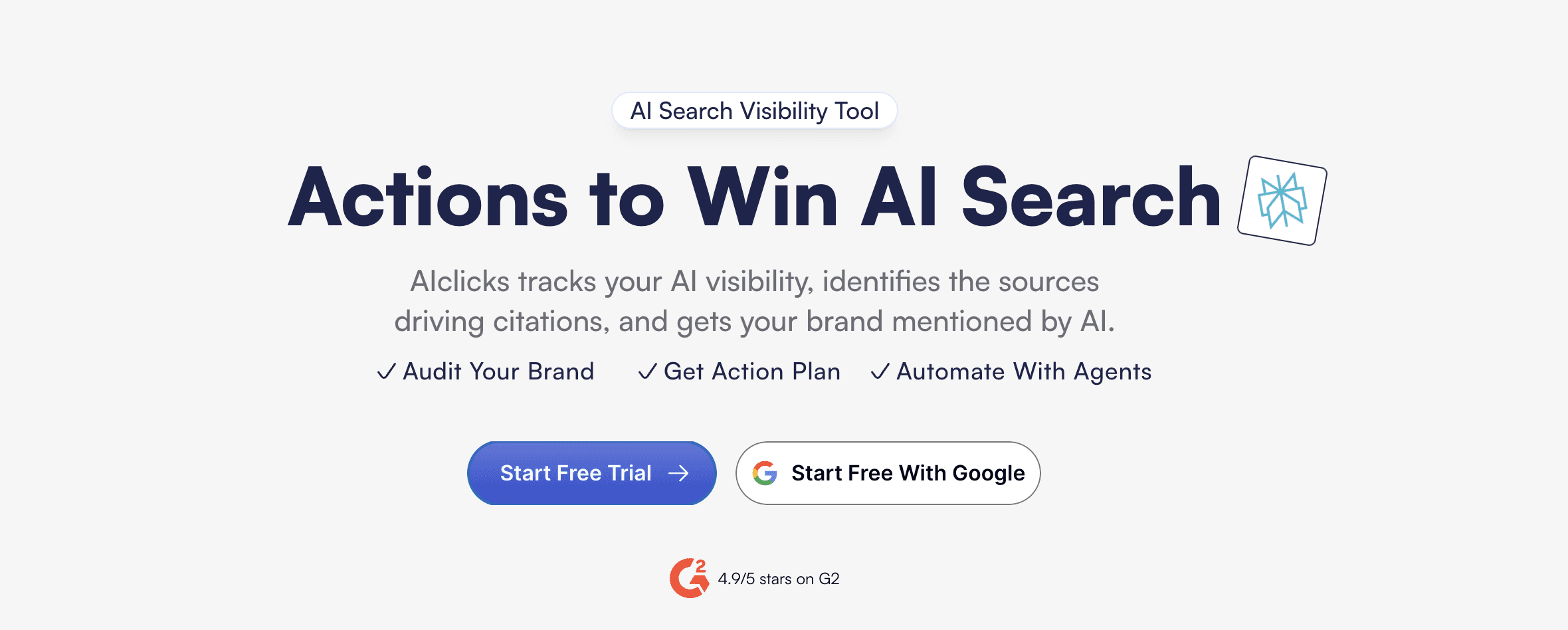
AIclicks is not a typical writing tool. It sits one level above the writing process and answers the question most writers struggle with: What should I actually write?
Instead of guessing topics, AIclicks shows real prompts people ask AI platforms like ChatGPT, Gemini, and Perplexity. In 2026, some argue that the rise of high-quality sourcing has killed prompt engineering as the primary skill for creators, replacing it with the need to provide "answer-ready" data. These prompts often translate directly into high-performing Medium articles.
Another key feature is source tracking. You can see which Medium articles AI already cites and which ones dominate your niche. That gives you two options. Create better competing content or get mentioned inside those existing articles.
This is where Medium becomes strategic. You are no longer just writing for readers. You are writing to be included in the sources AI pulls from.
It also connects Medium to a broader system of visibility. Website builds authority. Medium distributes content. Reddit builds discussions. Review platforms build trust.
Strengths:
Identifies what topics actually matter based on AI demand
Shows which Medium articles are already trusted
Helps you get mentioned in existing high-authority posts
Tracks whether your content appears in AI answers
Weaknesses:
Not designed for editing or formatting
Requires a shift from traditional SEO thinking
Pricing:
Paid plans depending on tracking and prompt volume
2. Grammarly — Best for Writing Quality
Grammarly is one of the most widely used writing tools for Medium, and for good reason. It removes friction from the writing process by fixing grammar, improving tone, and suggesting clearer phrasing in real time. It ensures that the specific sequence of characters and words you choose results in a professional finish.
For Medium writers, clarity is everything. Articles that feel easy to read tend to perform better, keep readers engaged longer, and are more likely to be shared. Grammarly helps you reach that level without needing deep editing skills.
It works directly inside your browser or editor, so you can write and improve at the same time. This makes it a practical everyday tool rather than something you use only at the end.
The limitation is that Grammarly does not help with strategy. It improves how you write, but not what you write.
Strengths:
Real-time suggestions while writing
Improves tone and readability
Strong free version
Weaknesses:
No insights into content performance
No topic or audience guidance
Pricing:
Free version available, paid plans for advanced features
3. Hemingway Editor — Best for Readability
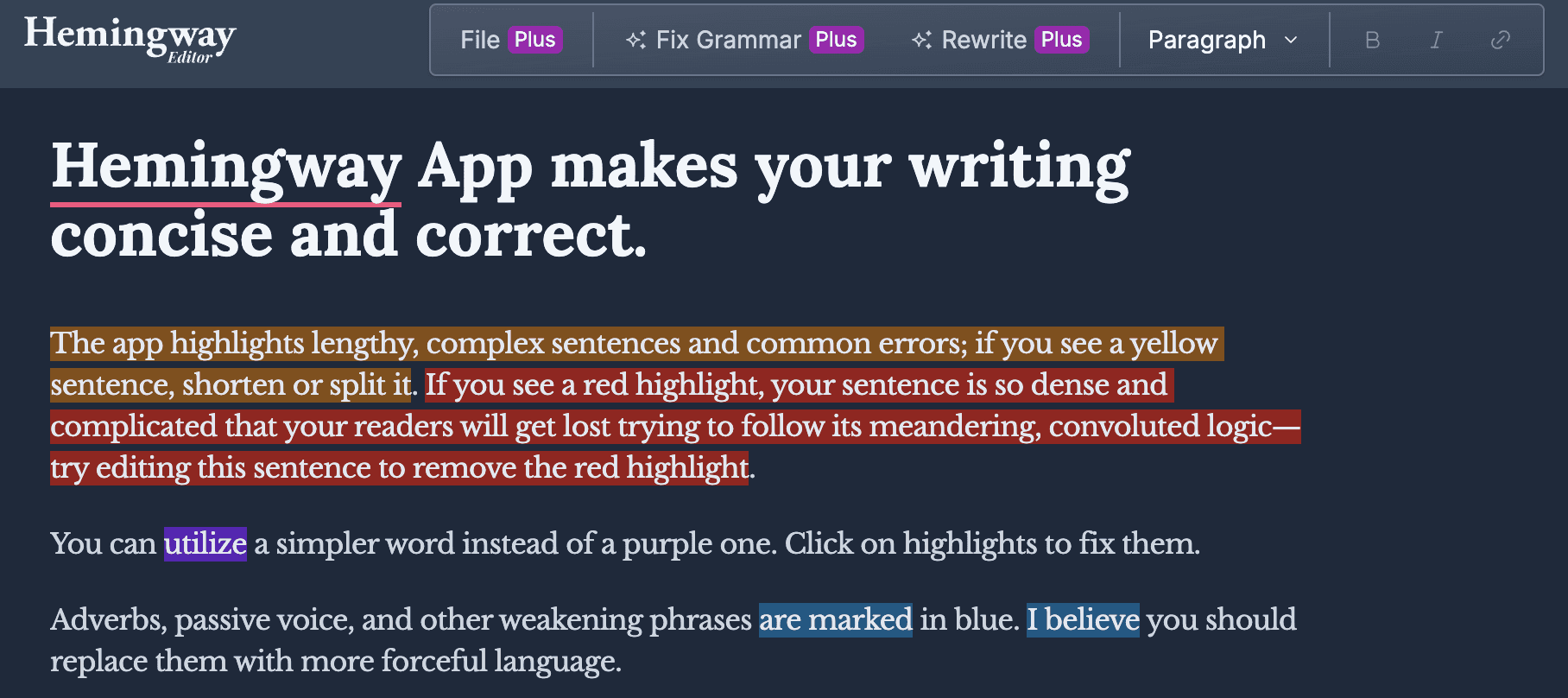
Hemingway is built around one simple goal: Make your writing easier to read. It highlights long sentences, passive voice, and complex phrasing. This technique of stripping away unnecessary fluff is vital for digital readers who tend to skim.
Using Hemingway often results in shorter paragraphs, clearer structure, and more direct communication. These are all factors that improve engagement and retention.
However, it is a very focused tool. It does not provide any feedback on content performance, audience, or growth. It only improves readability.
Strengths:
Forces simplicity and clarity
Helps reduce unnecessary complexity
Easy to use
Weaknesses:
No analytics or strategy features
Limited scope
Pricing:
Free web version, paid desktop app
4. Notion — Best for Content Systems
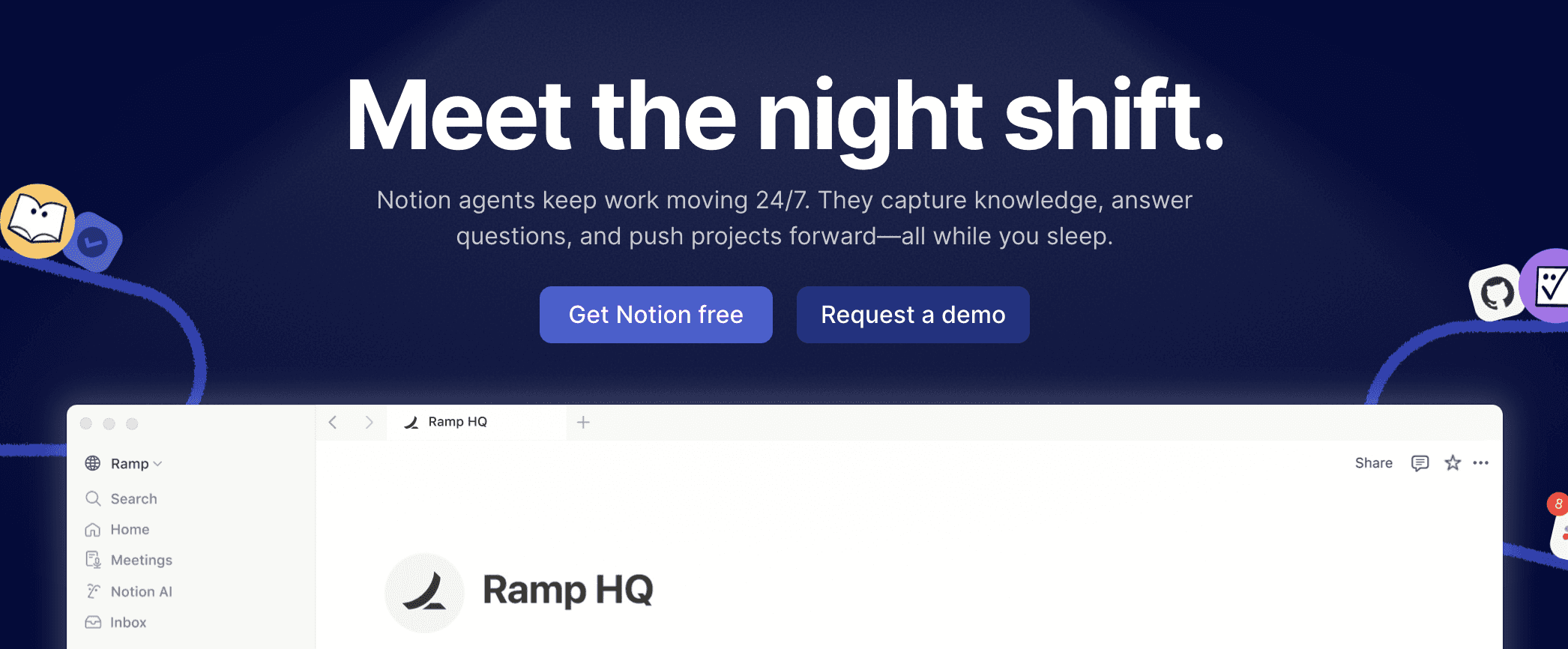
Notion is where many writers build their content system. Instead of writing randomly, you can plan topics, track ideas, and organize drafts. While some old-school writers still prefer the feel of physical paper, a digital system allows you to tag and filter your ideas for better long-term use.
You can even use your Notion database to compile your best articles into a downloadable ebook later on. The downside is that Notion is not connected to Medium performance or visibility. It helps you stay organized, but it does not tell you what works.
Strengths:
Great for planning and organization
Flexible and customizable
Supports long-term consistency
Weaknesses:
No direct connection to Medium
No performance insights
Pricing:
Free plan available, paid upgrades
5. Canva — Best for Medium Images
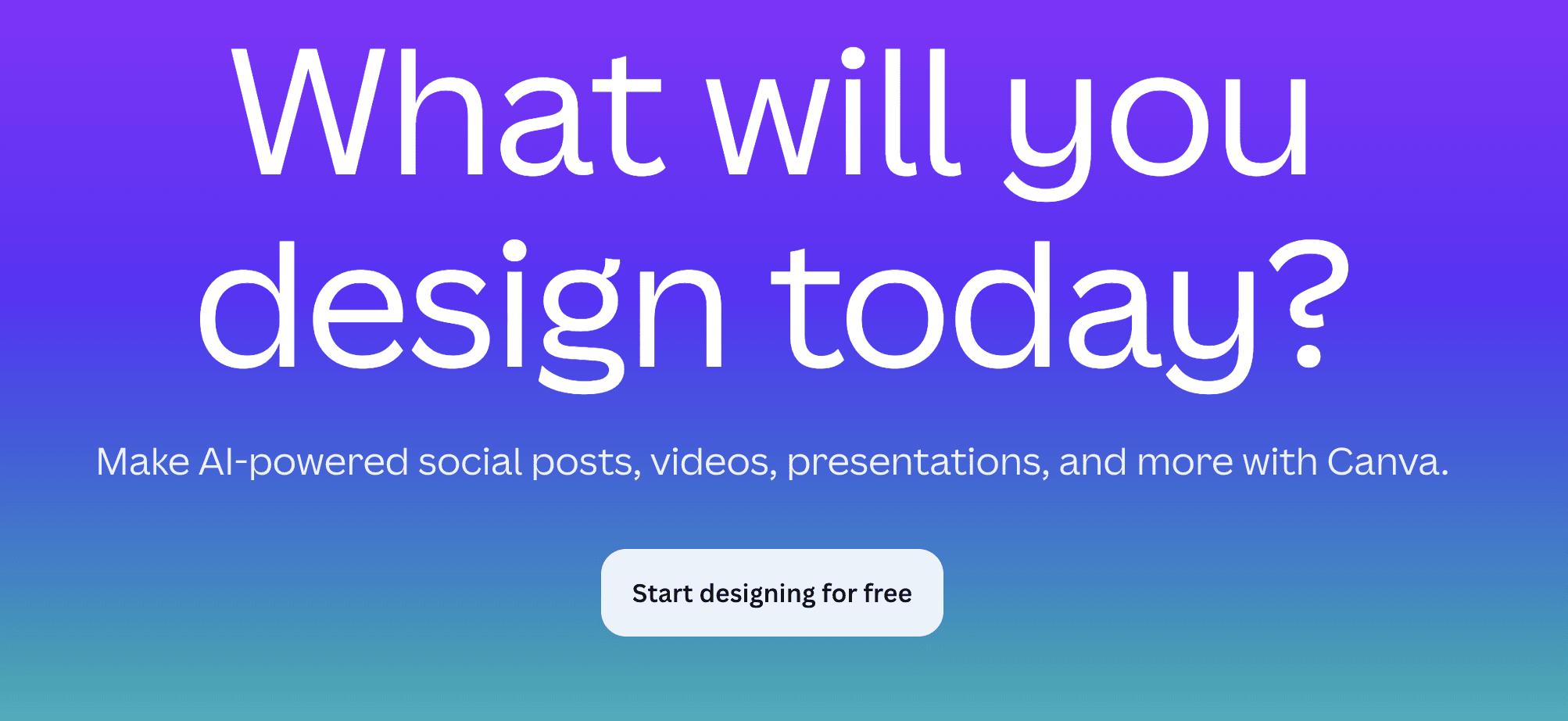
Visuals play a bigger role than most writers expect.
A strong image can increase clicks, improve reading time, and make your article feel more complete. Canva makes it easy to create those visuals without design skills, making the reading experience more fun and interactive for your audience.
You can create featured images, simple charts, or supporting visuals inside your article. This improves both user experience and engagement.
The limitation is that Canva is not part of the writing process. It is purely a visual tool.
Strengths:
Easy to create images
Improves engagement
Large template library
Weaknesses:
No writing or strategy features
Pricing:
Free and paid plans
6. Medium Partner Program — Best for Monetization
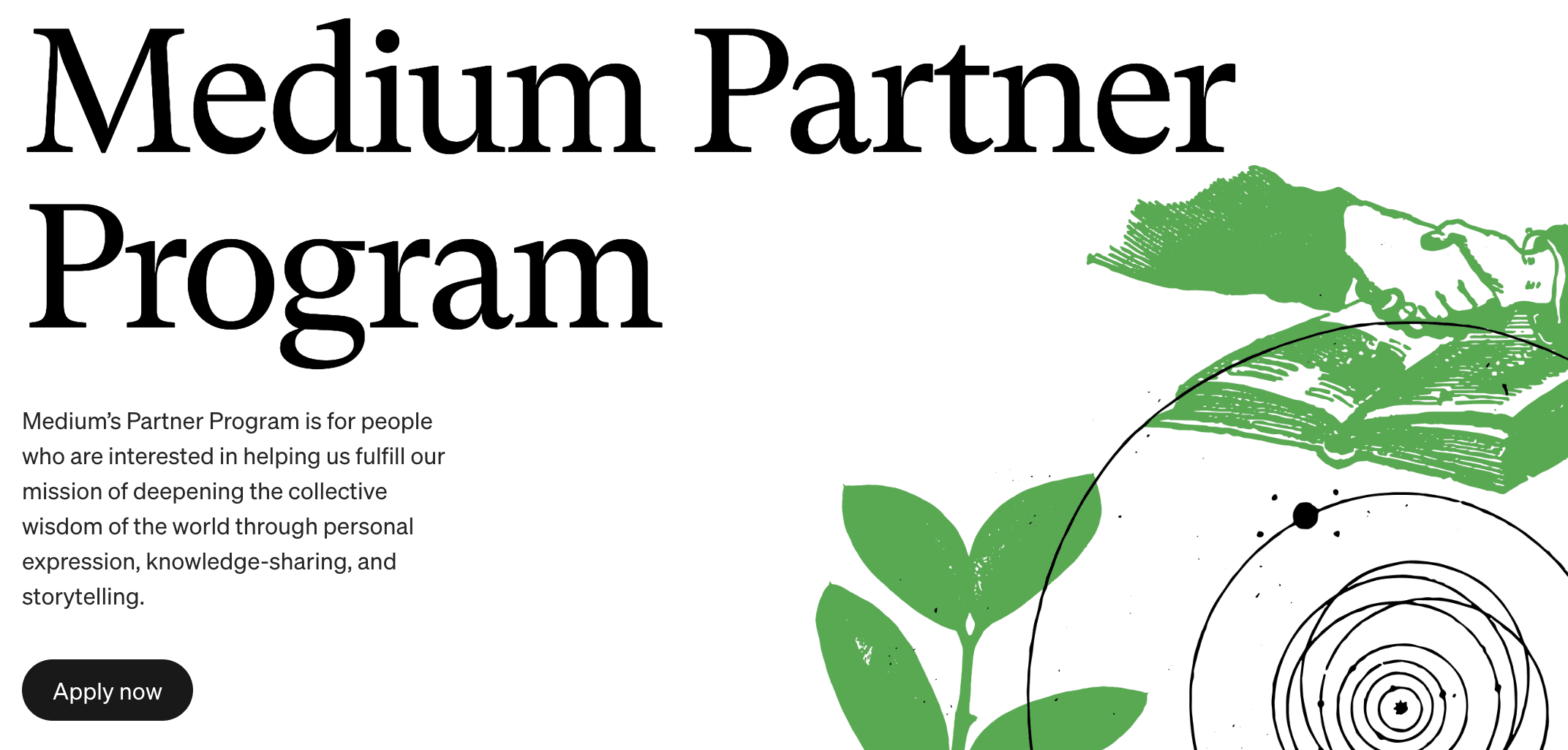
The Medium Partner Program allows writers to earn money based on how long readers spend on their articles.
This turns Medium into more than just a publishing platform. It becomes a potential revenue stream.
However, earnings depend heavily on consistency, topic selection, and audience engagement. Without a system behind your writing, results can be unpredictable.
Strengths:
Built-in monetization
Rewards high-quality content
Weaknesses:
Requires consistent publishing
Income varies significantly
Pricing:
Free to join
7. SparkToro Trending — Best for Content Ideas
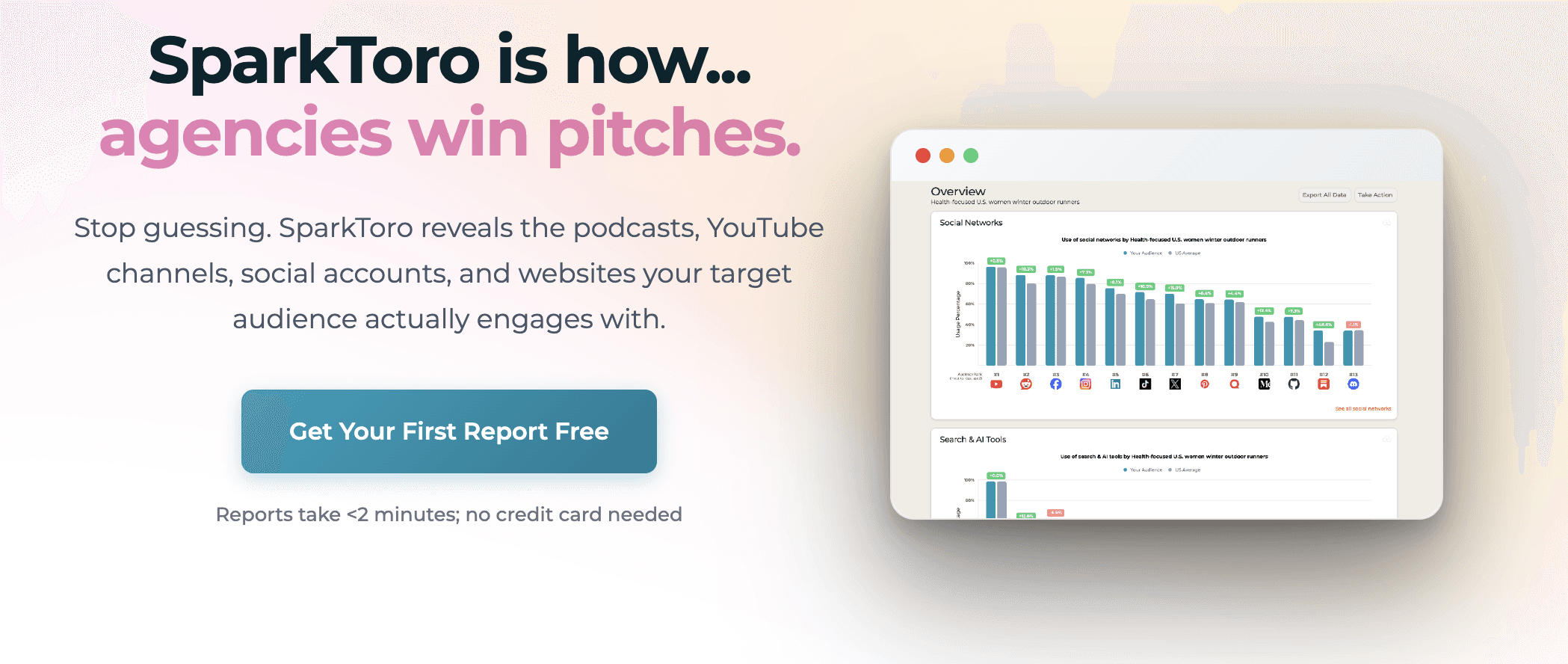
SparkToro helps you find what people are talking about.
This is useful because writing random topics rarely works. You need ideas that match audience interest and current demand.
It shows trending topics across the internet, which you can turn into Medium articles.
The limitation is that it does not show how those topics perform inside AI systems or Medium specifically.
Strengths:
Strong for idea discovery
Helps align with trends
Weaknesses:
No Medium-specific insights
No performance tracking
Pricing:
Free and paid plans
8. Google Docs — Best for Drafting
Google Docs is simple but reliable.
It allows you to write, edit, and collaborate easily. Many Medium writers prefer drafting here before publishing.
It does not offer advanced features, but it remains one of the most practical tools for writing.
Strengths:
Easy collaboration
Stable and simple
Weaknesses:
No optimization features
Pricing:
Free
9. ChatGPT — Best for Drafting and Ideation
ChatGPT is widely used to speed up writing.
It helps generate ideas, outlines, and drafts. This can significantly reduce the time it takes to create a Medium article.
However, the output often needs editing. Without structure and refinement, content can feel generic.
Strengths:
Speeds up content creation
Useful for brainstorming
Weaknesses:
Requires editing
No built-in performance insights
Pricing:
Free and paid plans
What Are Medium Tools?
Medium tools are apps and platforms that help you create, format, publish, and grow your Medium articles.
They support:
Writing and editing
Idea generation
Visual creation
Publishing workflows
Growth and visibility
Most writers only use Medium itself. The real advantage comes from combining tools into a repeatable system.
Why You Need Tools for Writing on Medium
Writing without tools usually leads to inconsistent results.
You might publish a strong story, but:
It does not reach the right audience
It is not structured for readability
It does not match what readers are searching for
It never gets discovered
Tools help you:
Improve writing quality
Choose better topics
Structure content properly
Increase visibility beyond Medium
The biggest shift is that Medium content is now part of how AI systems understand and recommend information.
How to Grow on Medium in 2026
Growth on Medium is no longer just about writing good content.
It is about visibility across systems.
What works now:
Writing based on real demand
Publishing consistently
Repurposing content
Getting mentioned in other articles
Creating content that AI can extract
Many writers struggle here because they guess topics instead of using data. Here’s a quick breakdown of how AI visibility actually works and how Medium fits into it: https://www.youtube.com/watch?v=QTorh2RXX28&t=1s
AIclicks.com plays a key role here. It helps you:
Discover what your audience is actually searching for
Identify which Medium articles already perform
Find gaps where your brand is missing
This creates a repeatable system:
Find idea
Create article
Publish
Track visibility
Instead of hoping something works, you build a process.
Common Mistakes Medium Writers Make
Most Medium writers fail not because they lack skill, but because they lack structure. A lack of views or followers is often a sign that your strategy is missing a data-driven foundation.
Common mistakes include:
Writing without a clear topic or intent
Choosing ideas based on opinion instead of demand
Ignoring formatting and readability
Publishing inconsistently
Not using any tools
Focusing only on Medium traffic
Not distributing content elsewhere
Another major mistake is treating Medium as an isolated platform.
The best-performing writers treat it as part of a larger system that includes websites, social platforms, and AI visibility.
Without that system, growth becomes unpredictable.
How AI Is Changing Medium Writing
AI is fundamentally changing how content is discovered.
Instead of searching Google, users ask AI tools. These tools generate answers by pulling from multiple sources across the internet, including Medium.
This changes everything:
Visibility is no longer just about clicks
Being cited matters more than ranking
Content needs to be structured for extraction
Authority comes from being present across multiple sources
Medium plays a key role because it is a high-authority platform that AI systems already trust.
AIclicks helps measure this shift by tracking:
Where your content appears in AI answers
Which sources are being used
How your visibility compares to competitors
This turns Medium into a strategic asset, not just a publishing platform.
Final Thoughts
Most people open Medium, write something, and publish.
That is not enough anymore.
Medium is now part of a larger system where content spreads across platforms and AI tools.
With the right tools, you can:
Create better articles
Reach a wider audience
Build long-term visibility
AIclicks.com connects everything. It helps you understand what to write, where to publish, and how to get noticed.
That is what turns Medium from a writing platform into a real growth channel.
FAQ
What are the best Medium tools?
The best Medium tools include AIclicks, Grammarly, Hemingway, Notion, Canva, and ChatGPT. These tools help with writing, idea generation, and publishing. Some improve words and structure, while others help you create content that gets discovered across the platform and internet.
Are there free tools for Medium writers?
Yes, many free tools are available. Grammarly, Hemingway, Google Docs, Canva, and ChatGPT all offer a free version. These help you write, create visuals like image in full size, and publish Medium articles without cost before upgrading.
How do you grow on Medium?
Growth comes from consistency and focus. Many writers press enter and publish, but real results come from using tools, analyzing data, and improving your process. Study other articles, test ideas, and refine your approach based on what your audience actually reads.
Is Medium still worth it in 2026?
Yes, Medium is still worth it. It remains a strong platform for publishing content and reaching an audience. Many writers say “can’t believe it worked” once they focus on structure, consistency, and distribution across the internet.
How do you write a good Medium article?
Start with a clear idea and structure your story into simple sections. Use short paragraphs and clear words. Instead of just typing and pressing enter or click publish, plan your article, refine your writing, and focus on readability.
Can Medium articles appear in AI responses?
Yes, Medium articles often appear in AI responses. AI systems scan sources across the internet and extract relevant information. Structured content with clear answers has a higher chance of being used in generated responses.
Do you need paid tools to succeed on Medium?
No, you can start with free tools and still succeed. Many writers begin with a free version and upgrade later. The key is consistency, practice, and understanding your audience rather than relying only on paid tools.
How do you get more readers on Medium?
Focus on useful content, strong ideas, and consistent publishing. Engage with your audience through comments, refine your articles, and use tools to improve your process. Over time, your ability to create content that gets read will improve.




Any questions left?
Book a call here: