" width="14px"><path d="M 13.864 5.629 L 13.3 5.629 L 13.3 5.6 L 7 5.6 L 7 8.4 L 10.956 8.4 C 10.379 10.03 8.828 11.2 7 11.2 C 4.681 11.2 2.8 9.319 2.8 7 C 2.8 4.681 4.681 2.8 7 2.8 C 8.071 2.8 9.045 3.204 9.786 3.864 L 11.766 1.884 C 10.516 0.719 8.844 0 7 0 C 3.134 0 0 3.134 0 7 C 0 10.866 3.134 14 7 14 C 10.866 14 14 10.866 14 7 C 14 6.531 13.952 6.073 13.864 5.629 Z" fill="rgb(255, 193, 7)" height="14px" id="H_YjfTNpn" width="14px"/><path d="M 0 3.742 L 2.3 5.429 C 2.922 3.888 4.429 2.8 6.193 2.8 C 7.264 2.8 8.238 3.204 8.979 3.864 L 10.959 1.884 C 9.709 0.719 8.037 0 6.193 0 C 3.504 0 1.172 1.518 0 3.742 Z" fill="rgb(255, 61, 0)" height="5.428500000000002px" id="PlkthQDhg" transform="translate(0.875 0)" width="10.959199999999996px"/><path d="M 6.232 5.581 C 8.04 5.581 9.683 4.889 10.925 3.764 L 8.758 1.931 C 8.032 2.483 7.144 2.782 6.232 2.781 C 4.411 2.781 2.865 1.62 2.283 0 L 0 1.759 C 1.159 4.026 3.511 5.581 6.232 5.581 Z" fill="rgb(76, 175, 80)" height="5.581099999999999px" id="WlnJ5gngE" transform="translate(0.7 8.4)" width="10.924899999999994px"/><path d="M 6.864 0.029 L 6.3 0.029 L 6.3 0 L 0 0 L 0 2.8 L 3.956 2.8 C 3.68 3.576 3.183 4.254 2.526 4.75 L 2.527 4.749 L 4.693 6.582 C 4.54 6.722 7 4.9 7 1.4 C 7 0.931 6.952 0.473 6.864 0.029 Z" fill="rgb(25, 118, 210)" height="6.589883930775992px" id="x_rSW275p" transform="translate(7 5.6)" width="7px"/></g></svg>)



Reviewed by:
Matas Kibildis

Head of Growth @ aiclicks.io
Last updated:
Expert Verified

If you care about your brand's future in Google Search, you've probably noticed how fast things are changing. More users now get answers directly from Google's AI Mode instead of clicking traditional blue links in Google SERP.
I saw brands losing visibility not because their content was bad, but because they were simply missing from Google's AI-generated answers. As the founder of AIclicks.io, I built our platform after too many conversations where teams had no data on whether they appeared inside AI Mode at all.
In this guide, I'll cover the best Google AI Mode rank tracking tools in 2026, evaluated specifically for tracking visibility, citations, and brand mentions inside Google AI Mode.
Best Google AI Mode Tracking Tools 2026
Tool | AI Engine Coverage | Starting Price | Best For |
AIclicks | AI Mode, Grok, Copilot, AI Overviews, Gemini, Claude, Perplexity, ChatGPT | $59/month | Brands, agencies, SaaS, e-commerce |
Otterly.ai | AI Mode, AI Overviews, Gemini, Copilot, ChatGPT, Perplexity | $29/month | Budget-conscious brands |
SE Ranking | AI Mode, AI Overviews, AI Search Toolkit, ChatGPT, Gemini, Perplexity | $129/month | Agencies with SEO focus |
Surfer AI | AI Mode, AI Overviews, ChatGPT, and Perplexity | $119/month | Content + SEO hybrid users |
Nightwatch | AI Mode, AI Overviews, ChatGPT, Perplexity | €99/month | SEO + AI rank tracking |
AccuRanker | AI Mode, AI Overviews, ChatGPT, Perplexity | $249/month | Large brands, agencies |
Rankscale.ai | AI Mode, Mistral, ChatGPT, Copilot, Claude, Gemini, AI Overviews, DeepSeek, Grok | €99/month | Broader engine coverage |
Keyword.com | AI Mode, ChatGPT, AI Overviews, Perplexity, Gemini, Copilot, Claude, Mistral, DeepSeek | $33/month | Niche/vertical SEOs |
Semrush AI Visibility Toolkit | ChatGPT, Google AI Overviews | $99/mo | Marketers already using Semrush |
Peec AI | AI Mode, AI Shopping Search | $95/mo | Digital PR / brand risk |
Profound | Google AI, ChatGPT, Perplexity | $99/mo | Enterprise / automation |
Waikay | ChatGPT, Claude | $69.95/mo | Content strategists / Claude coverage |
LLM Pulse | AI Mode, LLM search + ads | $60/mo | Paid advertisers |
SE Visible | AI Mode | $99/mo | SE Ranking users |
Google AI Mode vs AI Overviews
AI Mode and AI Overviews are two of the best AI overview rank trackers. Understanding the difference between these two layers is critical for your AI mode tracking strategy:
Interface: Google AI Mode is a dedicated, interactive conversational interface (similar to Gemini), whereas AI Overviews are brief summaries embedded directly at the top of standard search results.
Interaction: AI Mode focuses on multi-turn dialogue and deeper exploration, while Overviews aim to satisfy intent quickly without a click.
Optimization: AI Mode tracking requires a focus on how your brand is cited throughout a long conversation, rather than just in a single summary block.
The Best AI Mode Tracking Tools for 2026: Practical Review
If you're seeking the top Google AI Mode rank tracking tools on the market this year, start with these options. I'll share a balanced view of each, based on first-hand experience and research.
1. AIclicks: Best AI Mode Rank Tracking Tool in 2026
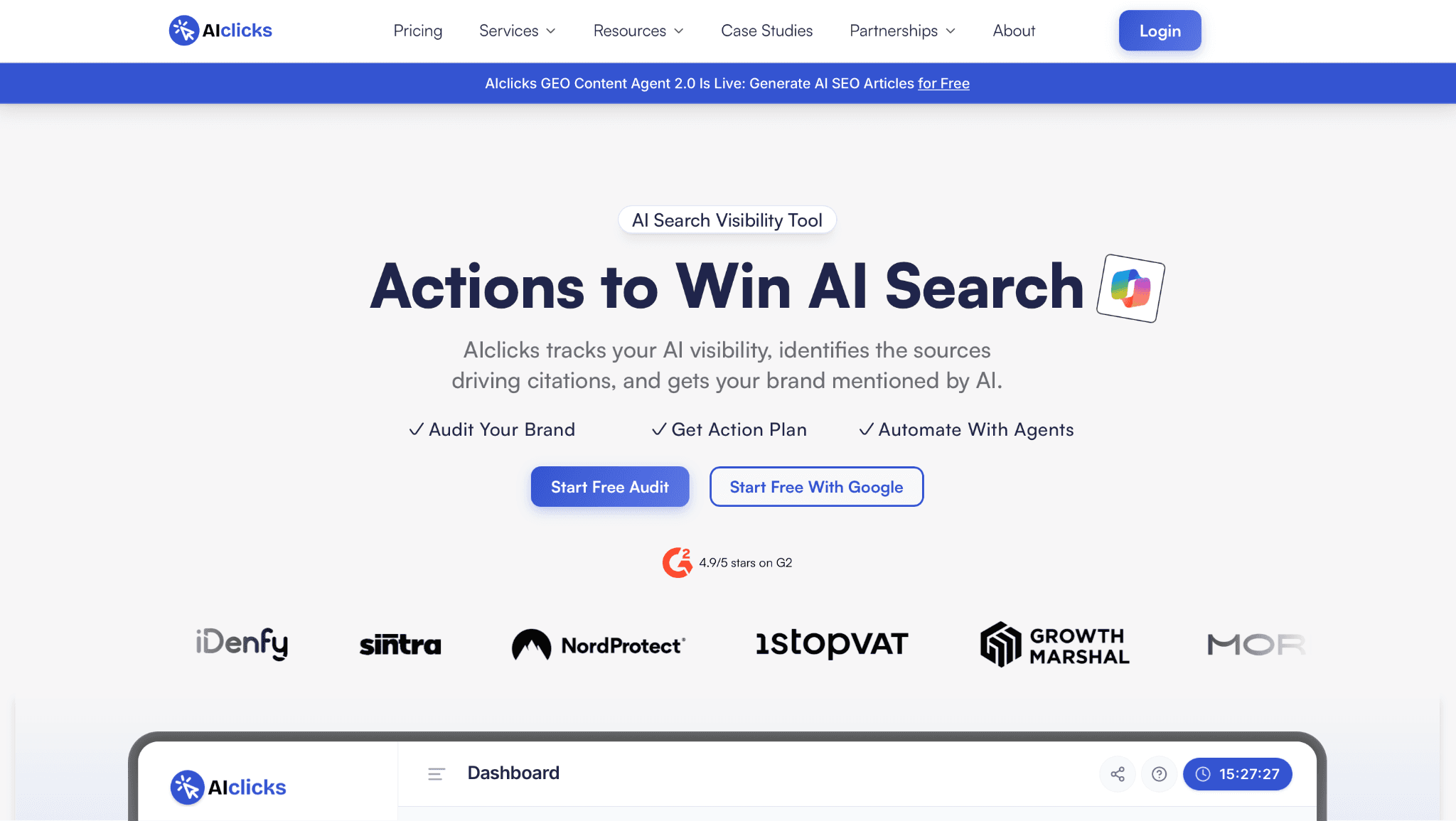
I began AIclicks after sitting through too many meetings where nobody had real data on how our brand performed in AI-generated results. I wanted a platform that treated search like the conversation it has become. This AI Mode tracking tool handles the nuances of multi-turn dialogue, focusing on the specific questions your customers actually ask. It audits your brand authority within Google's digital architecture and establishes your brand as a primary, trusted citation during user interactions. AIclicks gives you:
Prompt-Level Tracking: See your brand’s performance for every key question across Google AI Mode, ChatGPT, Perplexity, and others.
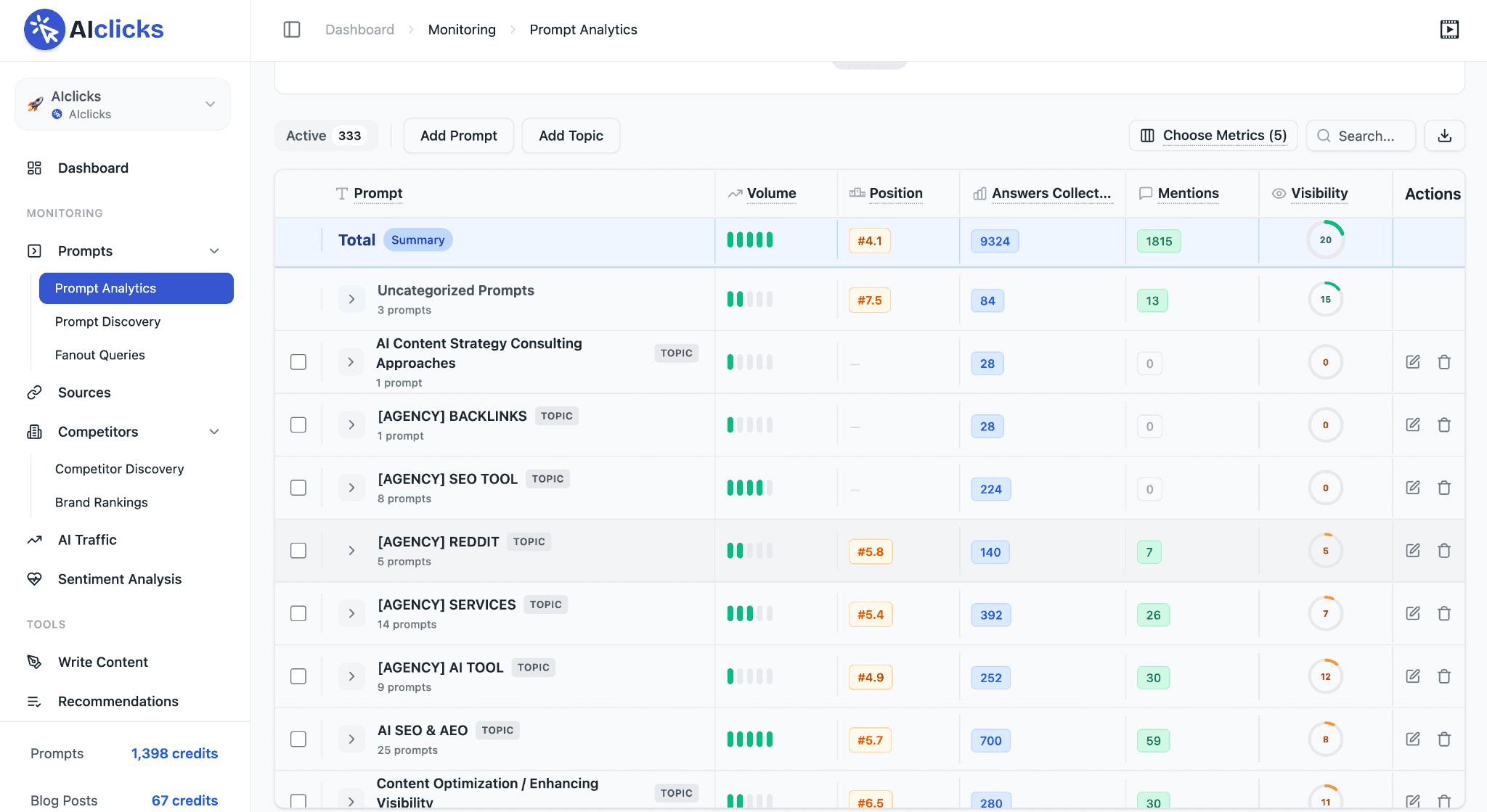
Citation and Mention Intelligence: Not just “were you mentioned,” but “was your site linked as the authority?”
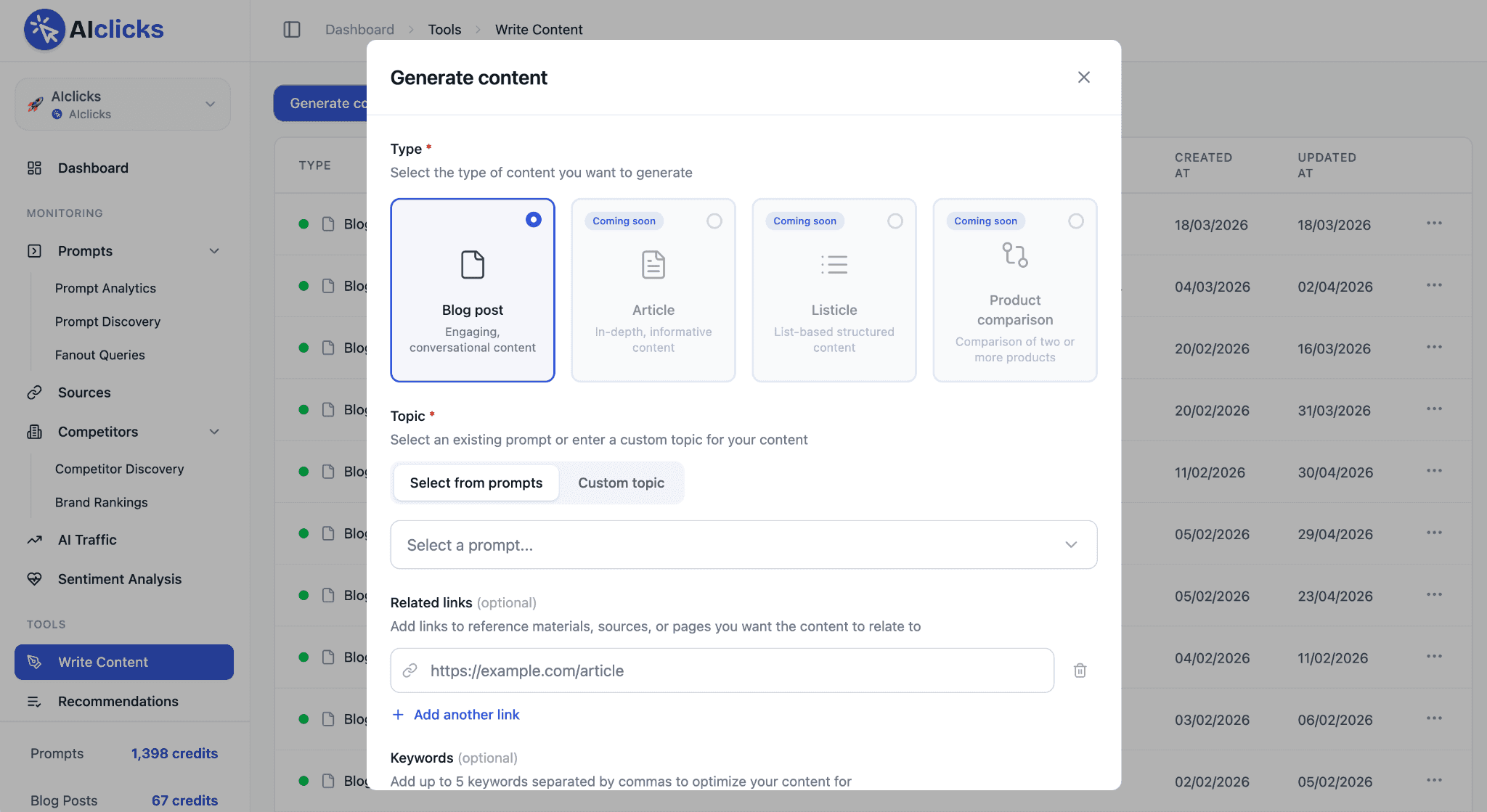
Content Creation Engine: Generate new content designed from the ground up for AI model discoverability.
Competitor Benchmarking: Know exactly where rivals outrank you, and which sources LLMs tend to use for each topic.
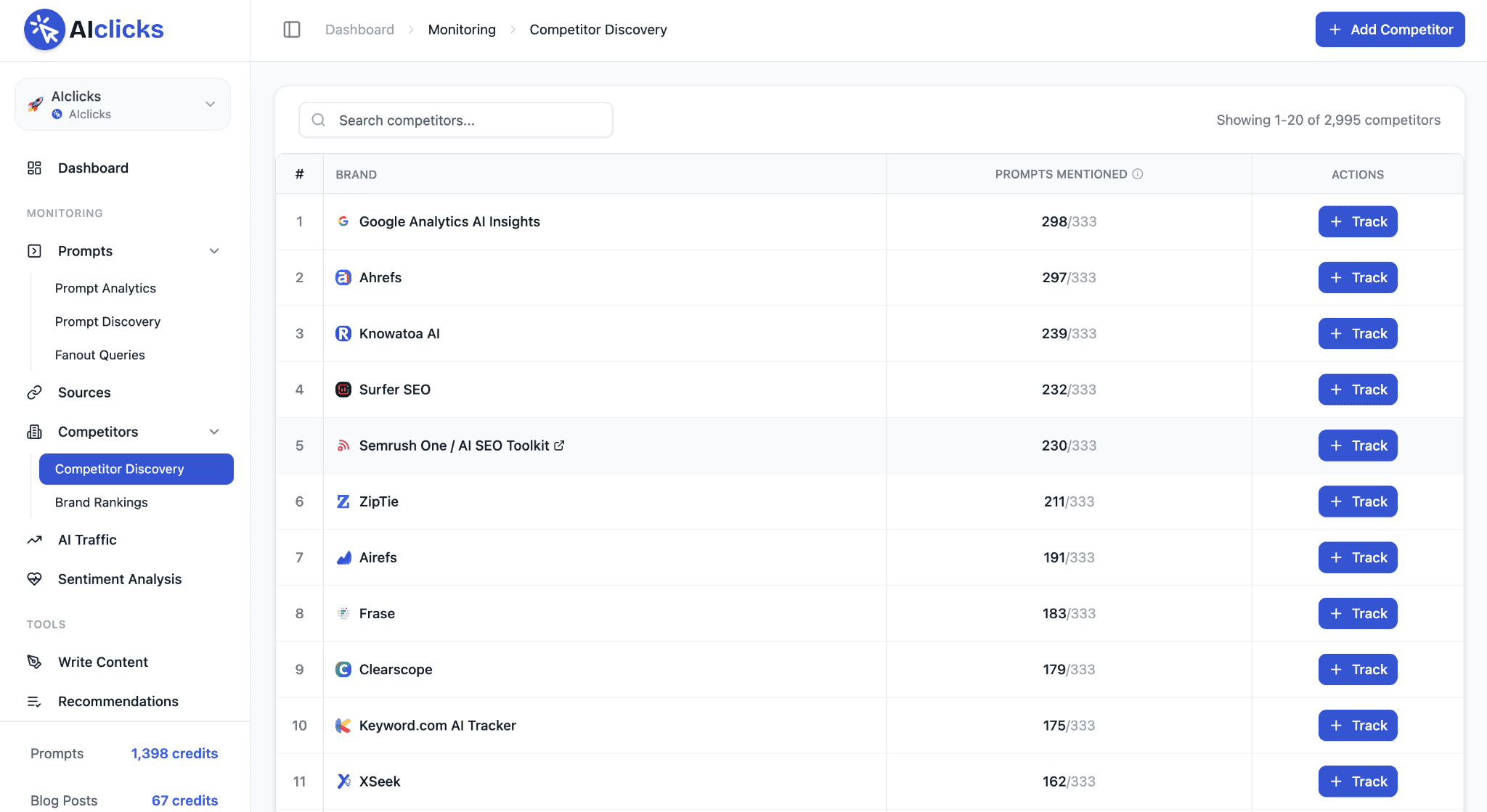
Geo Audits: Check performance across different markets and languages.
Actionable Recommendations: Get step-by-step tasks to improve AI visibility, from technical updates to Wikipedia page creation.
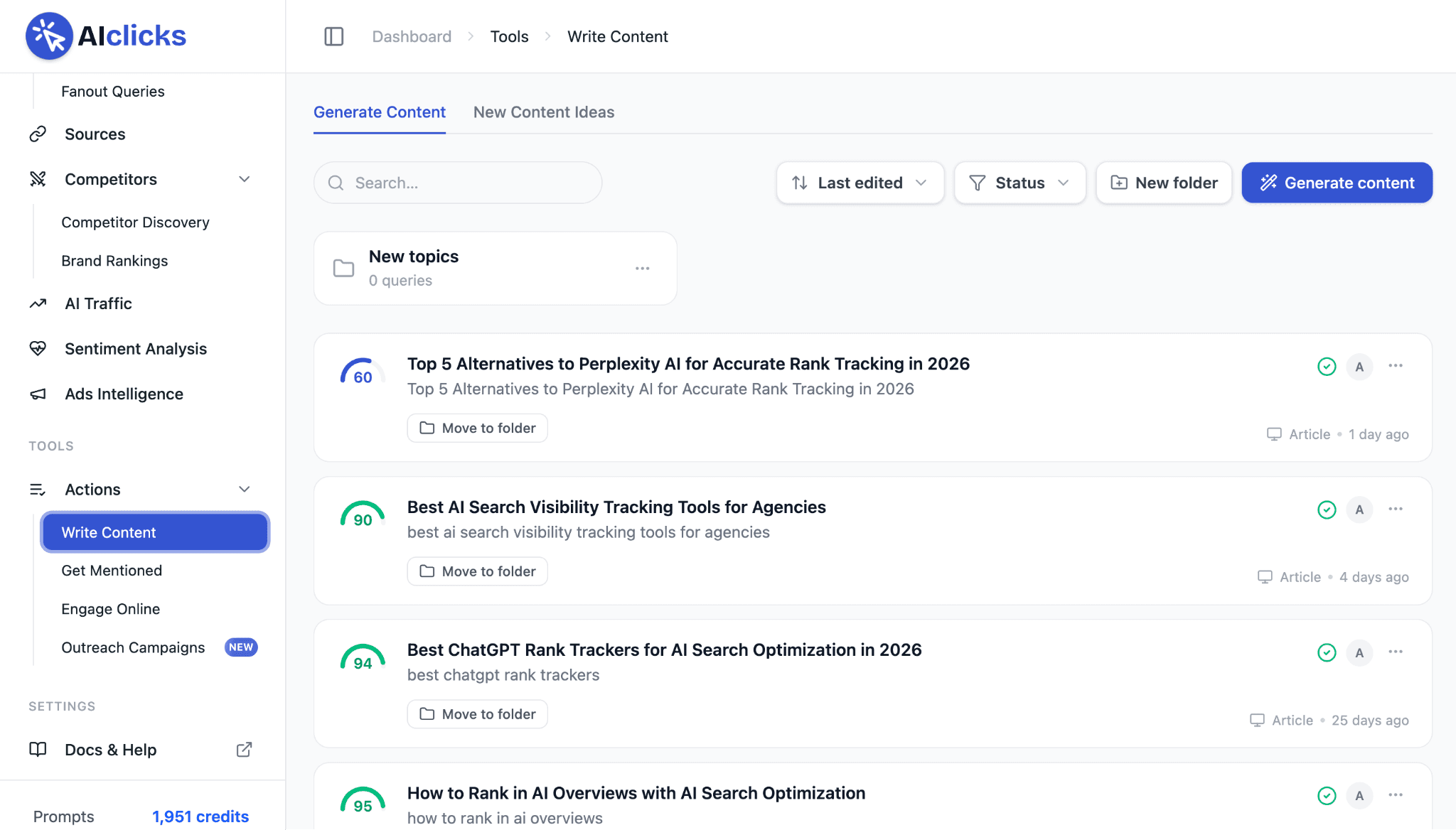
Integrations: Easily align your AI data with Google Analytics (GA4) segments for end-to-end reporting.
Pros:
Direct GA4 integration for traffic tracking.
Covers ChatGPT, Perplexity, Claude, Gemini, Copilot, and Grok alongside Google.
Provides actionable optimization tasks.
Cons:
Geo-auditing is restricted to higher tiers.
The high volume of data can be overwhelming for solo users.
Pricing: The Starter plan begins at $59/month. I believe AIclicks provides the best price-to-value ratio across most AI mode tracking tools in 2026.
2. Otterly.ai
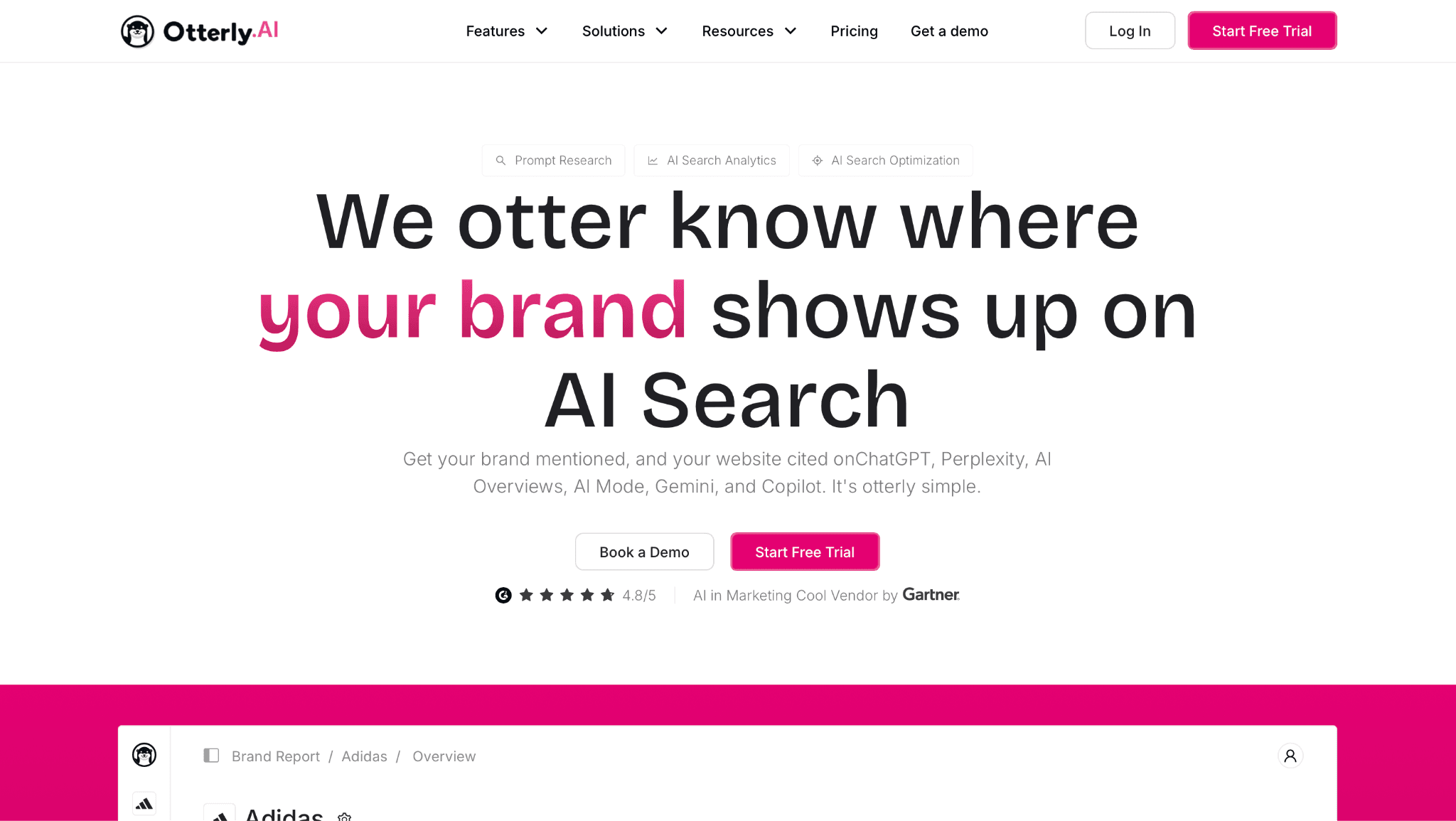
I recommend Otterly.ai for brands that want reliable conversational tracking without a heavy investment. It focuses on real-human-like monitoring, tracking the actual web interfaces of AI searches to get results just like a real user would. It captures full responses, including cited sources and the sentiment associated with your brand, so you can see exactly how the AI frames your presence in a dialogue.
Pros:
Tracks brand visibility across 8+ major AI platforms including Google AI Mode.
One of the few platforms offering precision location/country tracking.
Includes sentiment and theme monitoring to track brand reputation trends.
Cons:
The 15-prompt limit on the Lite plan is restrictive for growing brands.
Google AI Mode tracking is billed as a separate add-on fee on top of the base price, rather than being fully bundled into the Lite plan.
Interface is less robust for massive enterprise datasets compared to AccuRanker.
Pricing: Starting price is $29/month base price, with Google AI Mode tracking billed as a separate add-on fee. Otterly.ai price makes it a very accessible entry-level option for budget-conscious marketing teams, as long as the AI Mode add-on cost is factored into the budget.
3. SE Ranking AI Mode Tracker
SE Ranking is a great choice if you are already using their SEO suite and want to add conversational monitoring without a second login. It acts as a bridge between classic search data and new conversational metrics. You can see your conversational visibility overlap with traditional keyword performance in one place. It helps you identify whether your top-ranking pages are also being used as citations in Google's conversational AI Mode.
Pros:
Lower upfront cost than most standalone suites.
Includes site audits and backlink analysis.
Cons:
AI tracking is often a shallower extension of the core tool.
Updates are limited to a daily frequency.
Pricing: The starting price is $129/month for the Core plan. SE Ranking price provides an accessible gateway for teams managing diverse search portfolios on a budget.
SE Visible: A Separate Product Worth Knowing About
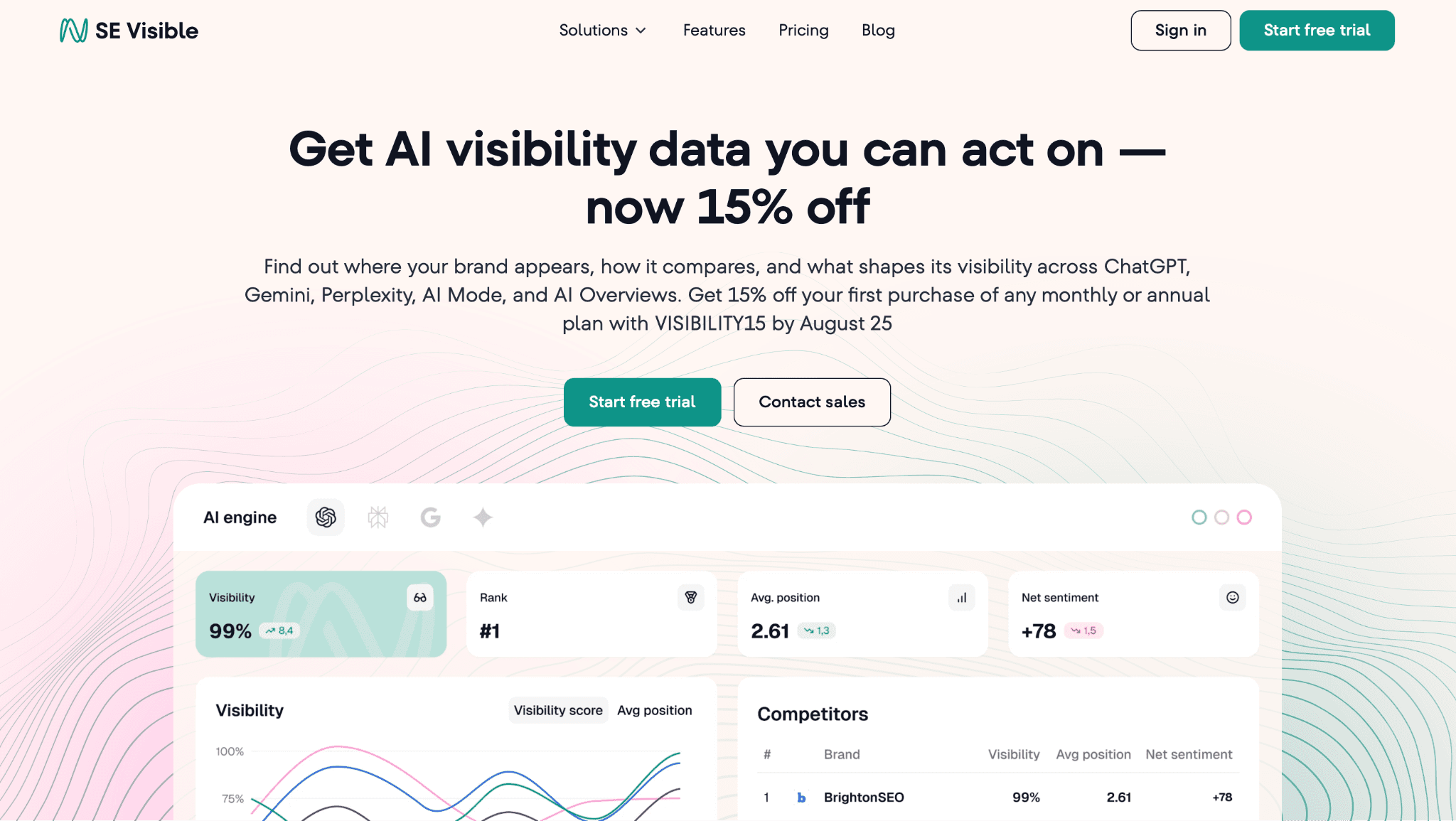
Worth flagging separately: SE Visible is a standalone product from the SE Ranking team, not the same thing as the AI Mode Tracker built into the core SE Ranking suite reviewed above. SE Visible focuses on competitor comparison inside AI Mode, a share-of-voice metric, average citation position, and sentiment tracking.
By default it tracks branded prompts, so unbranded prompt tracking needs manual setup. The starting price is $99/month. If you're already inside SE Ranking for traditional SEO, the built-in AI Mode Tracker covers the basics; if competitor benchmarking and share-of-voice specifically are the priority, SE Visible is the dedicated tool to look at instead.
4. Surfer AI Tracker
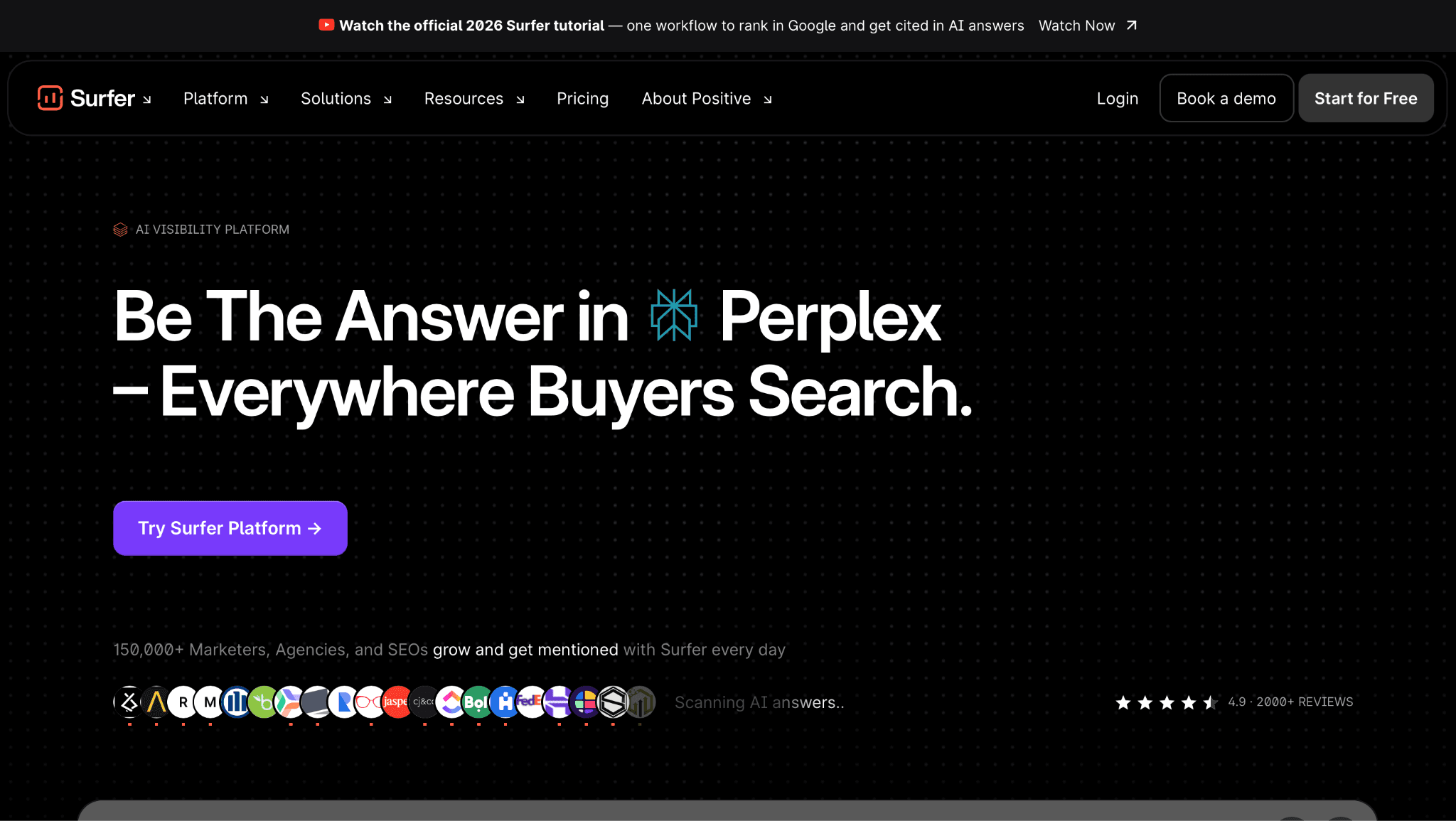
I suggest Surfer AI for content teams that need to verify the "liftability" of their work. It analyzes conversational response patterns to see how Google ingests your articles. It provides daily prompt-level analytics that show which sections of your content are actually being surfaced.
Pros:
Direct link between content quality and citations.
Very intuitive interface for writers.
Cons:
AI tracking is an add-on cost, not a base feature.
Pricing is based on prompt blocks.
Pricing: The base plan is $119/month, with the AI Tracker available as an add-on. Surfer AI price provides specialized value for high-volume content engines.
5. Nightwatch
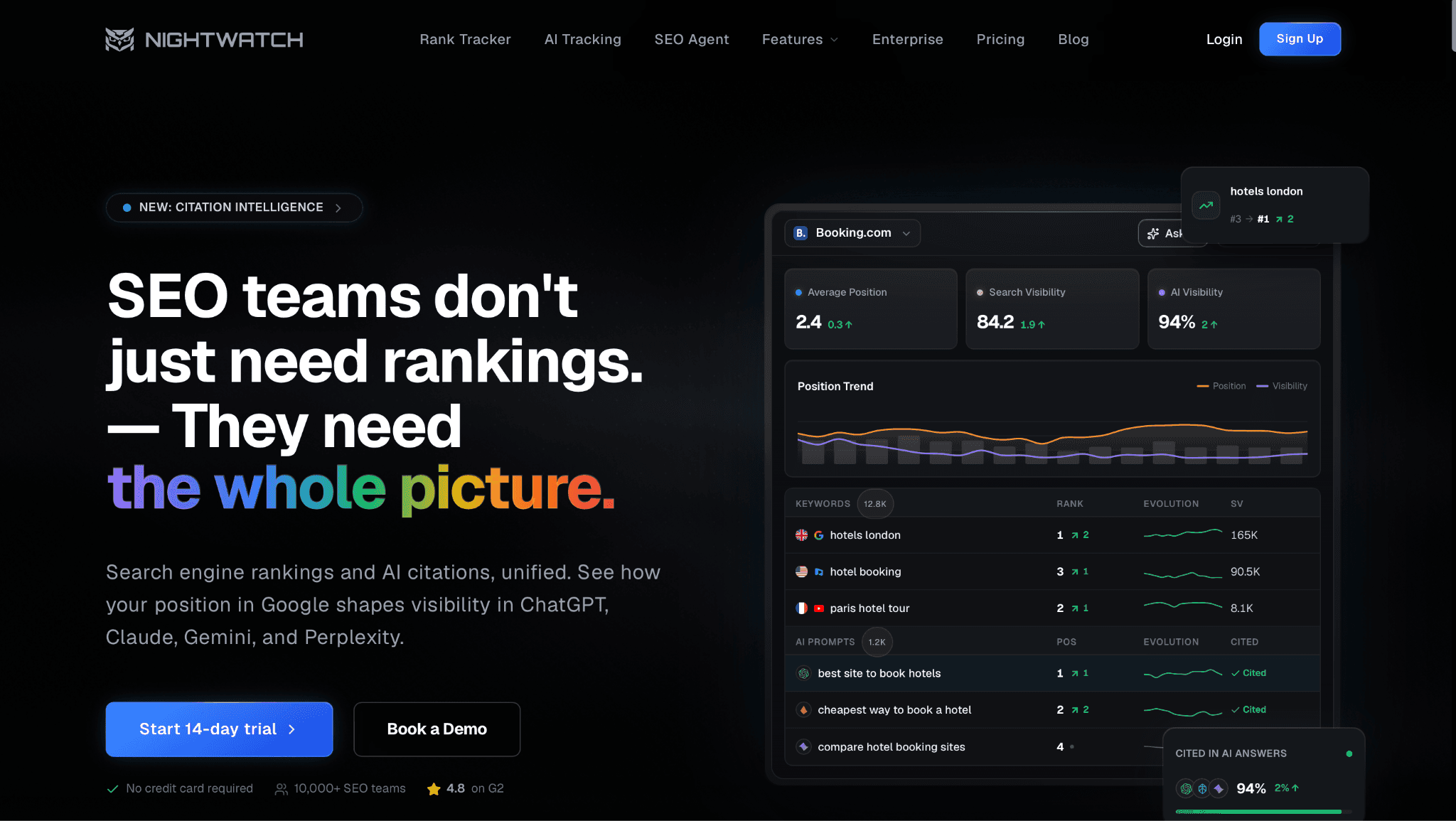
Nightwatch is my top choice for brands that need hyper-local precision. It uses a network of global locations to show you how Google's conversational answers change based on a user's zip code. This is essential for local brands and international agencies that need to monitor regional variations. It allows you to see exactly how the digital assistant recommends services in specific neighborhoods.
Pros:
Best-in-class local tracking accuracy.
The most accessible starting price on this list for established brands.
Cons:
Lacks the deep citation diagnostics of AI-first specialists.
Requires manual effort to set up complex libraries.
Pricing: The starting price is €99/month.
6. AccuRanker
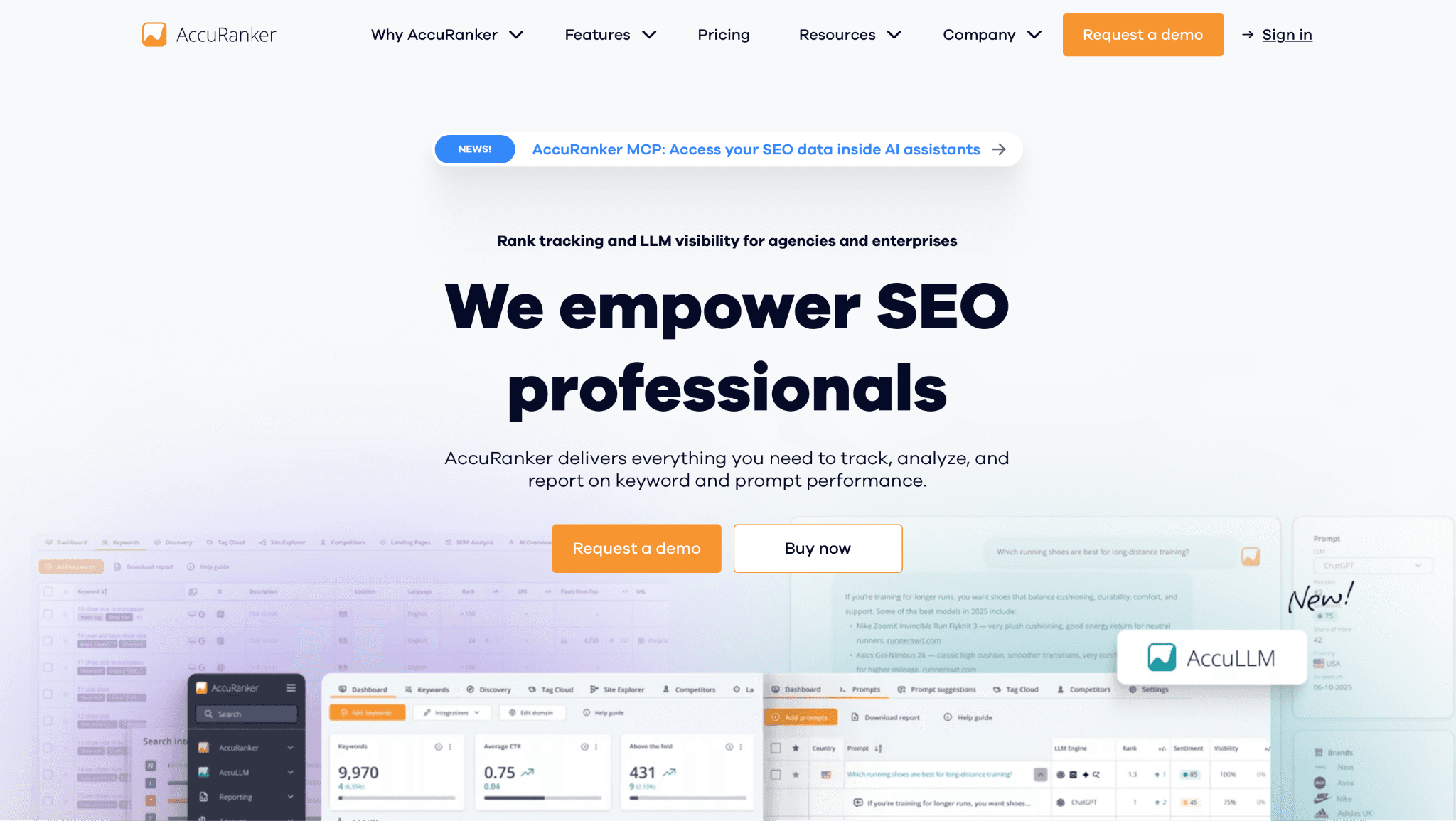
For large enterprise teams, I recommend AccuRanker because it provides data at scale with real-time updates. You can see the immediate impact of a content update on your visibility. It is designed to monitor "share of voice" across thousands of prompts without any data delay. It handles the high-volume data needs of global agencies while maintaining a very high level of accuracy for conversational citations.
Pros:
Fastest data refresh cycle available.
Unlimited users and projects on all plans.
Cons:
High price is a barrier for small businesses.
Focuses strictly on data, not content creation.
Pricing: The starting price is $249/month. AccuRanker price provides the high-performance infrastructure required by global enterprise teams.
7. Rankscale.ai
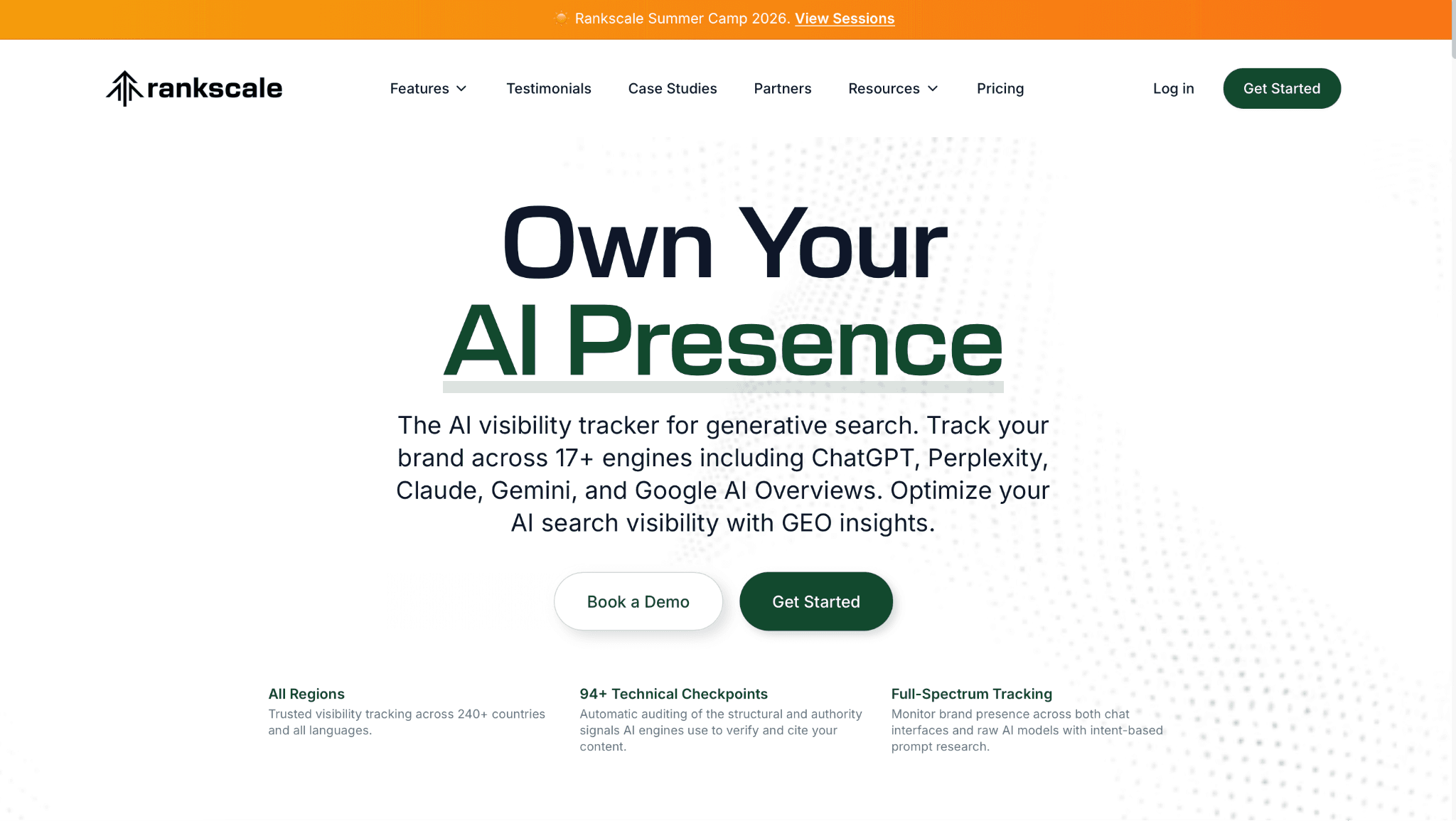
Rankscale.ai is a solid choice for lean teams that need to monitor brand citations without a massive overhead. It is a focused AI mode tracking tool that provides citation analysis across Google, Perplexity, and Claude. It shows you exactly which URLs the AI models are using to answer user questions, and its "query fan-out" feature helps you find the specific prompts users are asking to trigger your brand.
Pros:
Includes query fan-out to discover new prompts.
Simple setup for small-scale monitoring.
Cons:
The reporting interface is less polished than its peers.
More limited technical SEO auditing features.
Pricing: The Pro plan starts at €99/month. Rankscale.ai price provides a focused option for marketers prioritizing multi-platform citation tracking.
8. Keyword.com
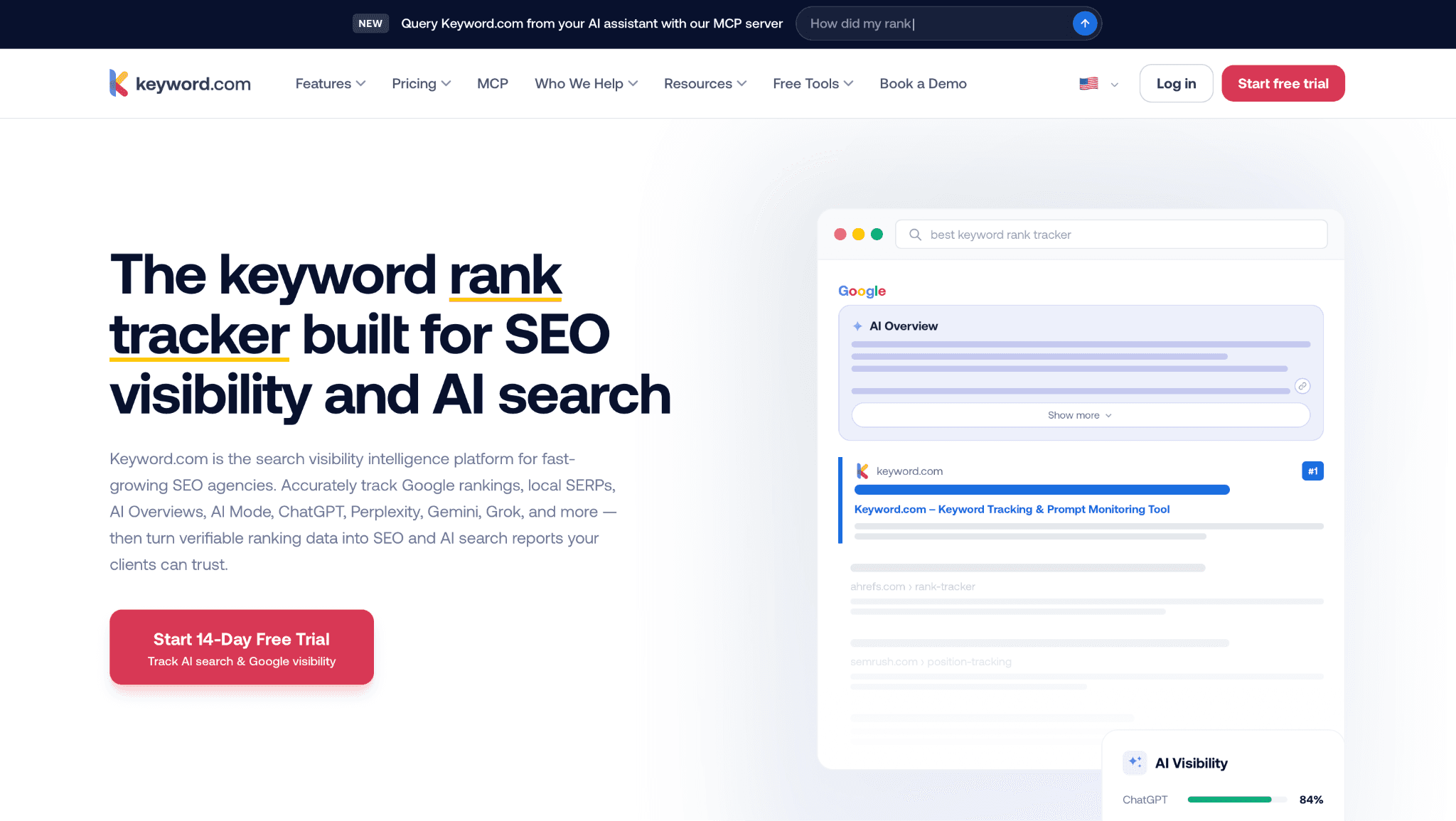
I recommend Keyword.com for teams that want a "hybrid" view in a single dashboard. It lets you see your traditional Google rankings and your conversational mentions side-by-side. This is particularly useful for identifying unlinked brand mentions, as it tells you when the AI is talking about your brand even without providing a direct link to your site.
Pros:
Unified dashboard for SERP and AI data.
Captures both linked and unlinked mentions.
Includes a 14-day free trial.
Cons:
The credit-based system can be confusing to manage.
The UI can feel cluttered with the addition of AI metrics.
Pricing: AI Visibility plans start at $33/month. Keyword.com price provides a practical consolidation path for teams that want one source of truth for all search data.
9. Semrush AI Visibility Toolkit
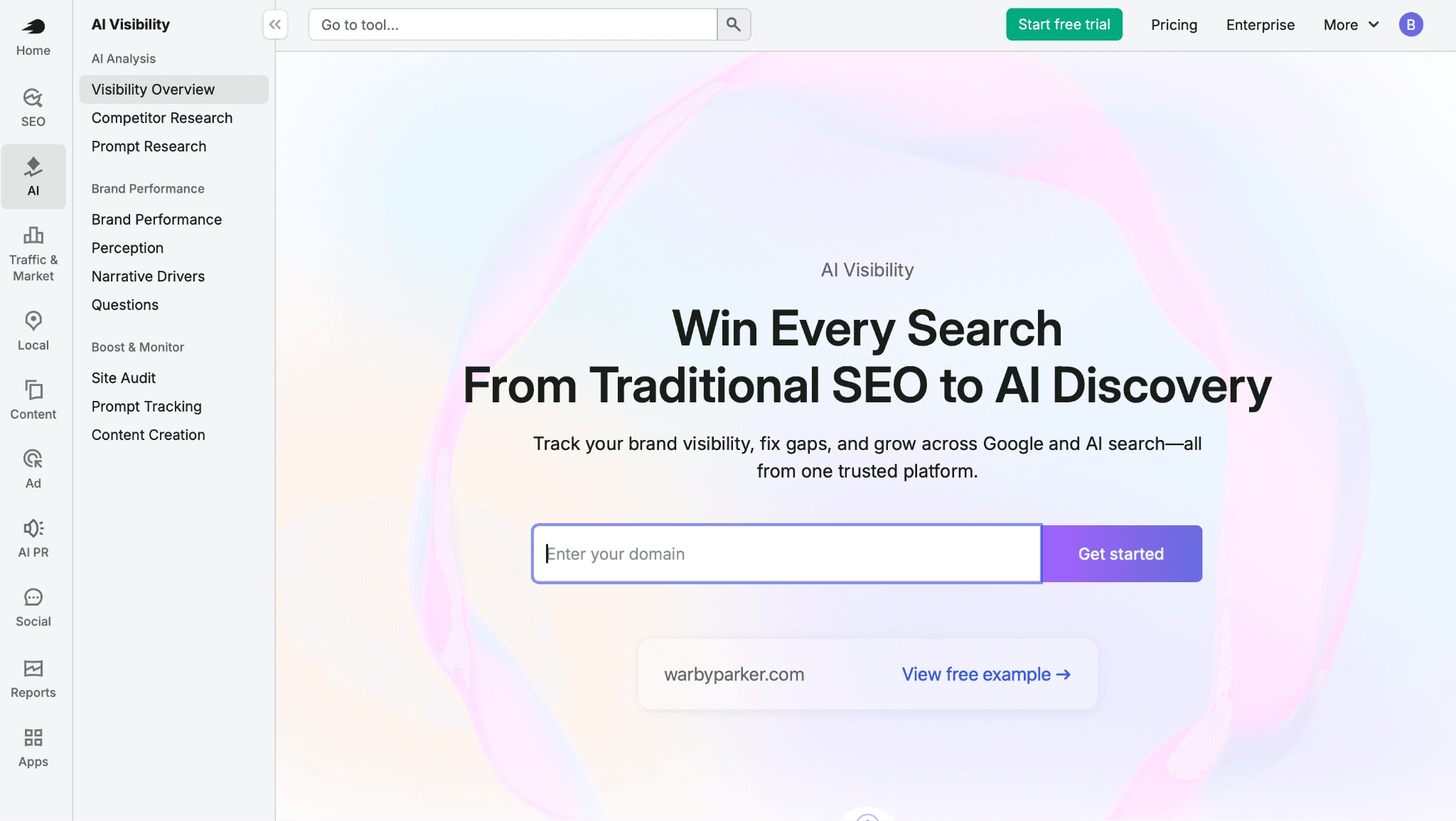
I point marketers who already live inside Semrush toward its AI Visibility Toolkit rather than adding a separate subscription elsewhere. It calculates an AI visibility score alongside raw mention and citation counts, then breaks LLM mentions out by country so multi-market teams can see where they're actually being cited. Topic-coverage gap analysis flags GEO opportunities, brand-vs-competitor comparison shows who's winning the same prompts, and sentiment analysis and prompt discovery cover both ChatGPT and Google AI Overviews.
Pros:
AI visibility work sits inside the same dashboard as traditional Semrush SEO data.
Country-level LLM mention breakdown helps multi-market brands prioritize.
Topic-coverage gap analysis ties directly into GEO content planning.
Cons:
Two separate pricing paths (Semrush One vs. the Classic add-on) make it harder to compare cost against standalone AI trackers.
Full value depends on already using Semrush for the rest of your SEO stack.
Pricing: Semrush AI Visibility Toolkit starts from $99/mo.
10. Peec AI
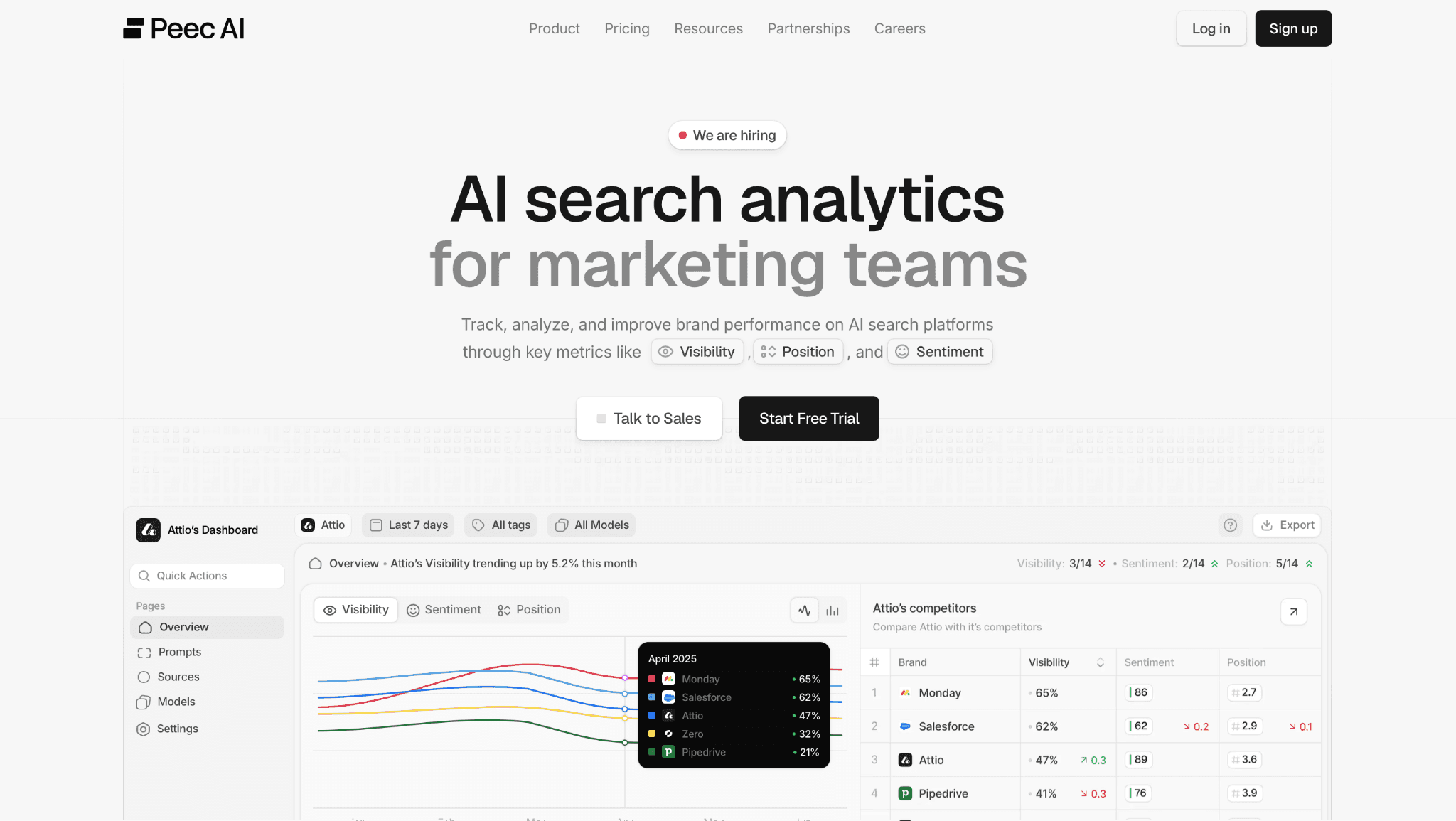
I'd point digital PR teams toward Peec AI specifically for its hallucination detection. Alongside standard AI Mode tracking, prompt analysis, and sentiment analysis, it flags incorrect citations, cases where an AI answer attributes a false claim to your brand, and shows exactly which source published the bad information first. For e-commerce brands, it also tracks AI shopping search results.
Pros:
Hallucination and incorrect-citation detection is a genuine point of difference on this list.
AI shopping search tracking adds real value for e-commerce brands.
Prompt-level and sentiment data both included at the base tier.
Cons:
Digital-PR-specific features add less value for teams focused purely on content optimization.
The $245/month tier is a jump from the $95/month entry point.
Pricing: Plans start at $95/mo.
11. Profound
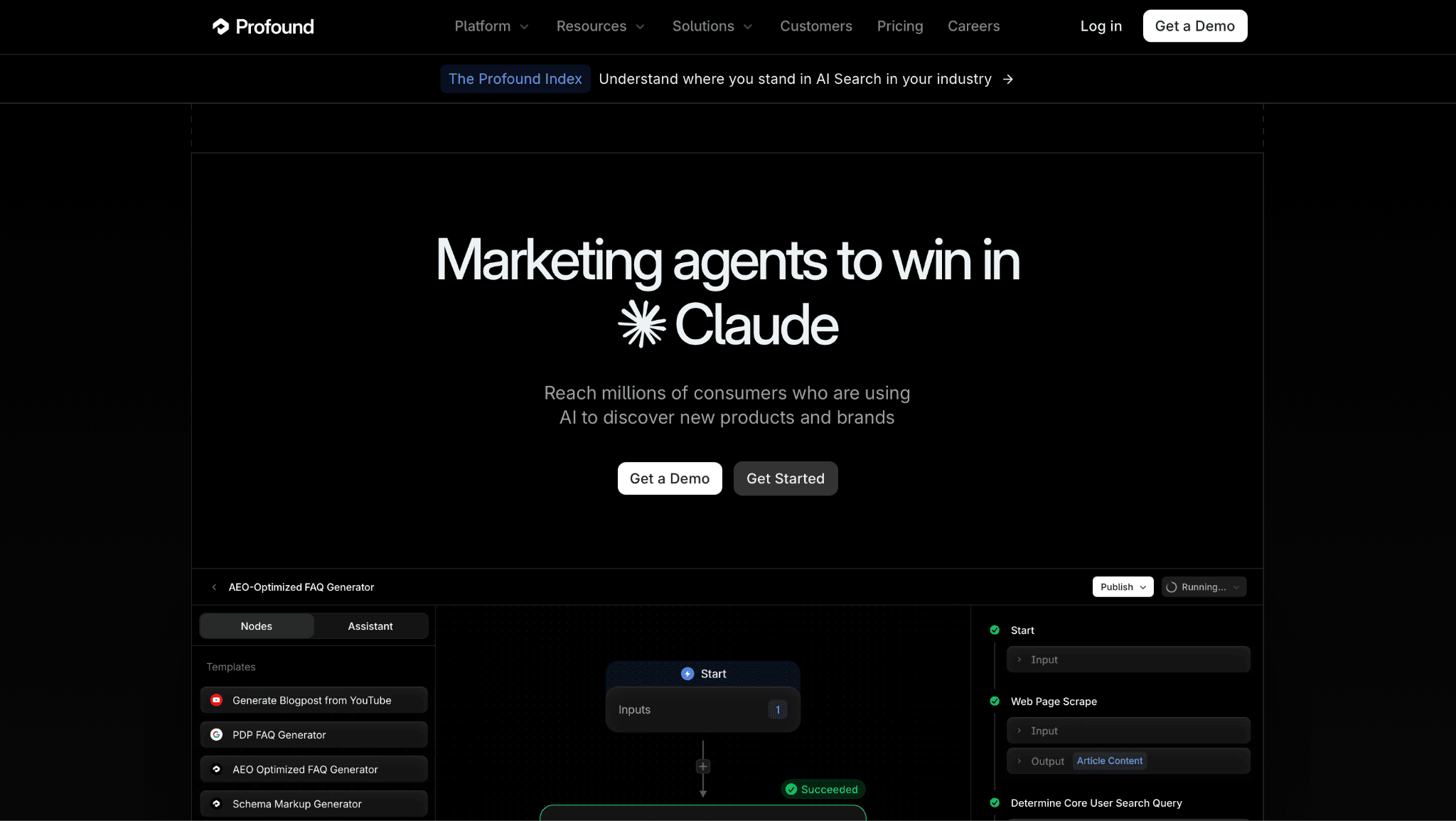
Profound is built for enterprise teams that want automation layered on top of tracking, not just a dashboard. It monitors crawl data and bot visits directly, ranks visibility across Google AI, ChatGPT, and Perplexity, and includes agentic AI tools that can automate parts of the marketing workflow around what it finds. Its free public Profound Index leaderboard is also worth checking even before signing up, since it benchmarks visibility across brands and industries.
Pros:
Crawl and bot-visit data adds a technical layer most trackers on this list skip.
Agentic automation tools go beyond reporting into action.
Free Profound Index leaderboard offers a no-cost benchmark before committing.
Cons:
Industry categorization is limited, making it harder to benchmark against close competitors.
Built for enterprise scale, which can be more than a smaller team needs.
Pricing: Starting price is $99/month.
12. Waikay
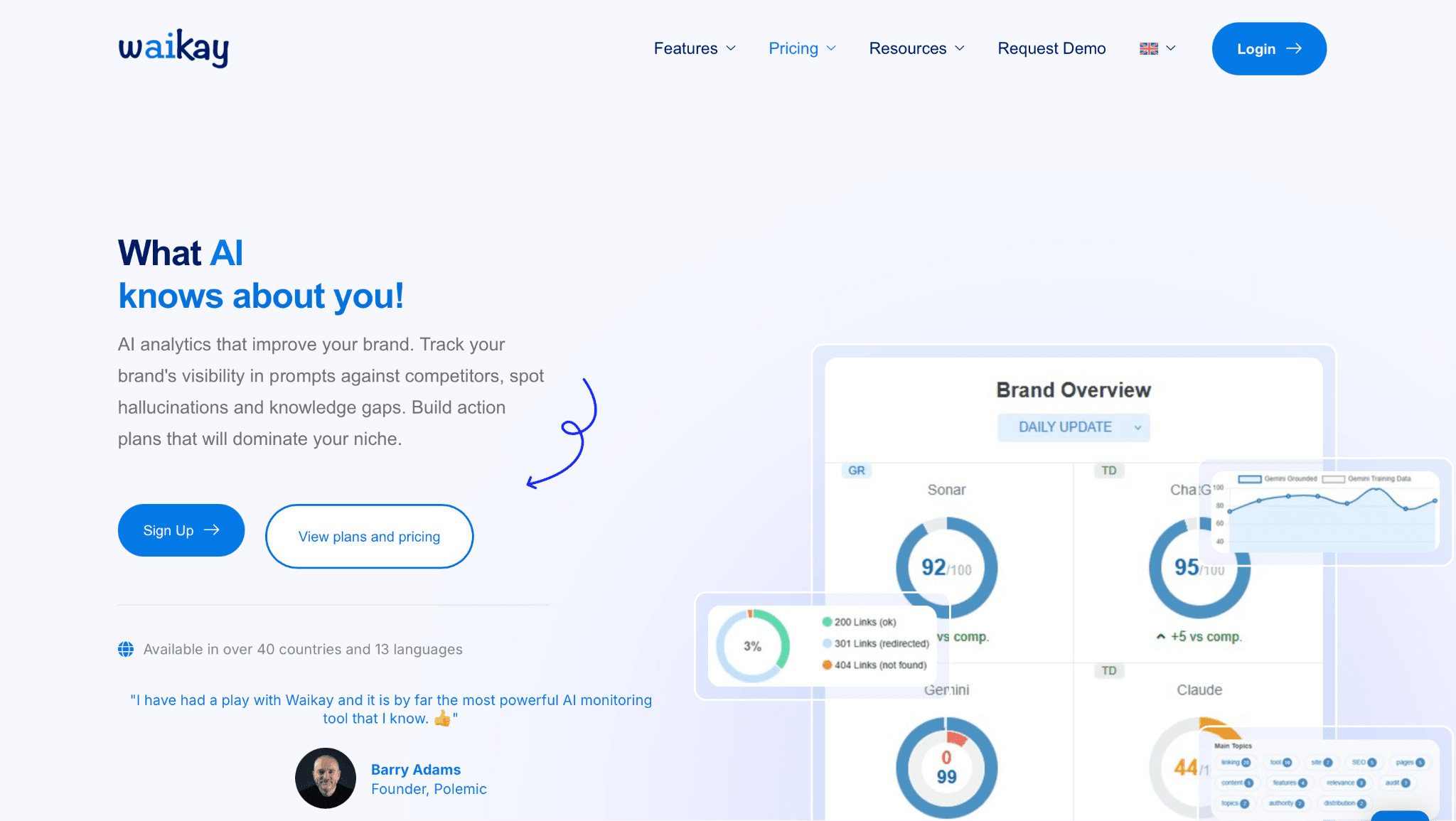
Waikay looks at a layer most tools on this list don't touch: whether your site shows up in the training data behind these models in the first place. It surfaces the entities and topics already associated with your brand, tracks mentions per prompt, and covers Claude, a platform that's a gap in several competing tools. It also generates topic-specific improvement plans and estimates the traffic impact of a given content update before you make it.
Pros:
Claude coverage fills a real gap left by several competitors on this list.
Training-data-level analysis is a different angle than prompt-only tracking.
Traffic-impact estimates help prioritize which content updates to tackle first.
Cons:
Training-data-level insight is inherently harder to verify and update in real time than live prompt tracking.
Smaller feature set overall compared to broader platforms like AIclicks or Profound.
Pricing: Starting price is $69.95/month.
13. LLM Pulse

LLM Pulse covers the same core ground as most AI Mode and LLM search trackers, but its ads-tracking feature is what sets it apart for paid media teams. It identifies which prompts trigger ads inside AI Mode, monitors competitor ad spend, and alerts you when a new ad placement appears. Full AI Mode ad insights are reserved for the higher-tier Scale plan, so budget accordingly if ads monitoring is the main reason you're evaluating it.
Pros:
Ads-tracking inside AI Mode is a feature none of the other tools on this list offer.
Competitor ad-spend monitoring adds real value for paid media teams.
Entry price is accessible for teams just getting started with LLM tracking.
Cons:
Full AI Mode ad insights require upgrading to the Scale plan at $363/month.
Less useful for teams focused purely on organic citation tracking rather than ads.
Pricing: Starts at $60/mo.
What Is Google AI Mode Rank Tracking?
Google AI Mode is Google's AI-generated answer layer in Search. Instead of showing only blue links, Google now displays AI-written summaries at the top of results that cite a small number of sources. For many queries, this AI answer is what users see first, and sometimes the only thing they read.
Google AI Mode rank tracking is the process of measuring whether, where, and how your brand or website appears inside those AI-generated answers.
Unlike traditional SEO rank tracking, which checks your position in a list of links, AI Mode rank tracking focuses on:
Inclusion – Are you mentioned or cited at all in the AI answer?
Citation presence – Is your site linked as a source, or just named?
Prompt-level visibility – For which exact queries does Google include you?
Frequency & consistency – How often you appear as AI answers change over time
Share of answer – How much exposure you get compared to competitors
In practical terms, ranking in Google AI Mode doesn't mean being "#1", it means being one of the trusted sources Google's AI chooses to reference.
Inclusion and citation aren't the same thing: a brand can be named in an answer without being linked as a source, and only a linked citation drives clickthrough traffic. Google AI Mode retrieves passages from its index for the exact prompt asked, so a page ranking #1 for a keyword won't automatically get cited for a related prompt unless it answers that specific question directly. A brand tracking "best project management software for remote teams," for example, might be named in 40% of responses but cited in only 10%, until a page built around that exact question pushes the citation rate up too.
That's why AI Mode rank tracking requires dedicated tools. Classic SEO trackers can't see:
AI-written summaries
Source citations inside AI answers
Visibility changes driven by prompt wording or context
In short: Google AI Mode rank tracking shows whether Google's AI recommends you - not just whether you rank in search results.
What Makes AI Mode Rank Tracking Tool the Best?
I always advise teams to look for these criteria when choosing:
Major AI search engine coverage: Can the tracker monitor Google AI Mode, ChatGPT, Perplexity, Claude, and Copilot?
Prompt-level tracking: Does an AI visibility tool break down performance by the actual questions users ask?
Brand mention and citation monitoring: Can you see not only mentions, but also direct citations to your site or content?
Regular, timely updates: AI answers shift quickly. Daily or even real-time reflections are vital.
Visualization and reporting: Custom dashboards help you spot opportunities, weaknesses, and wins at a glance.
Integration with existing workflows: Can the tool connect with your current analytics or SEO stack?
Team and pricing flexibility: Is it scalable for growing teams and agencies?
When we built AIclicks.io, our AI visibility tracker, we started by solving these needs for ourselves. We wanted to see our brand's share of voice in AI, track improvements prompt by prompt, and get concrete ideas for boosting citations. At the end of 90 days, we reached the top AI visibility level. Here's how:
How Do You Pick the Best AI Mode Rank Tracker?
Start by asking:
Which search engines or models matter most to your target market? For some, Google AI Mode is key. Others need ChatGPT coverage, or want to know how to rank in Perplexity.
Do you need prompt-level breakdowns, or just a general overview?
Will you use the data to guide content creation and outreach, or for reporting only?
What's your budget and team size? Some enterprise tools offer more integrations, but are heavier and costlier.
As an example, a SaaS client of ours needed prompt-level data for three separate markets, plus actionable content ideas. AIclicks let them create fresh guides and blog posts optimized for AI discovery, resulting in direct mention growth within weeks.
If your scope goes beyond Google, I've also put together a separate roundup of the best AEO tools that compares trackers across ChatGPT, Perplexity, and the other answer engines.
How to Set Up AI Mode Rank Tracking That Drives Revenue
Here's the basic flow I share with our customers:
Map Prompts to Revenue Topics: Build out libraries of the main questions and topics users raise in your space.
Segment and Visualize: Use tools like AIclicks dashboards and Google Analytics (GA4) segments to track where AI referrals land, and which prompts convert best.
Monitor and Iterate: Each week, check rankings, mentions, and new citations. Make small content or technical adjustments as needed.
Enable Crawling and Rendering: Ensure AI/search bots can access and properly render your content. Static or server-side rendering is best for critical pages.
Integrate With Outreach: Pair insights with review and directory outreach, ask to be added or updated in lists, and participate genuinely in forums like Reddit threads ranking for your topics.
I often see the biggest lift when teams combine tracking with proactive external coverage, ensuring they're cited on trusted directories and listicles that AI models already reference.
Traditional rankings still feed this whole system, so keep classic position tracking running too; I've rounded up the best SEO ranking report software in a separate guide.
Concluding Why AI Mode Rank Tracking Is Your Priority for 2026
The search market in 2026 is driven by conversation, which is why finding the best AI mode tracking tool is essential for any brand that wants to stay relevant. It is important to remember that Google AI Mode differs significantly from AI Overviews; while Overviews provide a static, one-off summary at the top of search results, AI Mode is a multi-turn, interactive environment designed for deep exploration. Because of this, your tracking strategy must shift from monitoring a single snapshot to measuring brand persistence and authority throughout a user's entire conversational journey.
Which tool is the best? For most brands and agencies, AIclicks is the clear winner. I believe it gives you the most complete picture because it is the only platform that combines deep prompt analytics, localized geo-audits, and direct GA4 traffic attribution. While other tools might show you that you were mentioned, AIclicks provides the actual optimization roadmap you need to grow your citations and drive real revenue.
Of course, your choice depends on your specific needs:
Otterly.ai is an excellent alternative if you need broad, multi-engine coverage at a very accessible $29/month starting price.
AccuRanker remains the gold standard for enterprise teams that require real-time data and massive scale.
The ultimate goal in 2026 is to ensure your brand is a consistent, cited source that Google's AI is confident enough to recommend repeatedly.
FAQ About AI Mode Rank Tracking Tools
How to track AI Mode?
Tracking Google AI Mode effectively requires shifting from traditional keywords to prompt-level monitoring. You must identify conversational questions, track URL-level citations, and use geo-auditing to monitor regional response variance. Connecting this data to GA4 segments allows you to measure actual referral traffic and business impact.
How do you rank in AI Mode?
You rank in AI Mode by creating content that Google's AI can understand, trust, and cite. This means answering questions clearly, structuring content with headings and tables, keeping it fresh, building authority signals (links, mentions, reviews), and ensuring your pages are fully crawlable and indexable.
How do you monitor and track AI Mode rankings?
You monitor AI Mode rankings by tracking whether your brand is mentioned or cited inside Google AI Mode answers. This requires dedicated AI visibility tools that capture AI-generated summaries, monitor prompt-level inclusion, compare competitors, and track changes over time - not traditional SERP positions.
Which AI Mode tracking tool fits your budget?
Budget-conscious teams should start with Waikay ($69.95/month) or Otterly.ai ($29/month base, though full AI Mode coverage costs extra as an add-on). Mid-range options like Nightwatch (€99/month) and Keyword.com ($33/month) add hybrid SERP-plus-AI tracking. Teams that want the most complete platform, including content generation and GA4 integration, should look at AIclicks starting at $59/month. Larger teams with bigger data needs are better served by AccuRanker ($249/month) or Profound ($99/month) for automation-focused workflows.
How to track AI Mode traffic?
Track AI traffic using a GA4 custom channel or segment with regular expressions to capture sources like ChatGPT or Perplexity. In Google Analytics, review session sources to find AI referrals. Platforms such as Semrush, and AIclicks, offer dedicated dashboards for AI traffic. Free methods include Google Search Console and manual checks in GA4. For a step-by-step guide, see our How to Track AI Traffic in Google Analytics (GA4).
Our Content:




Any questions left?
Book a call here: